By Damilola Oderinde
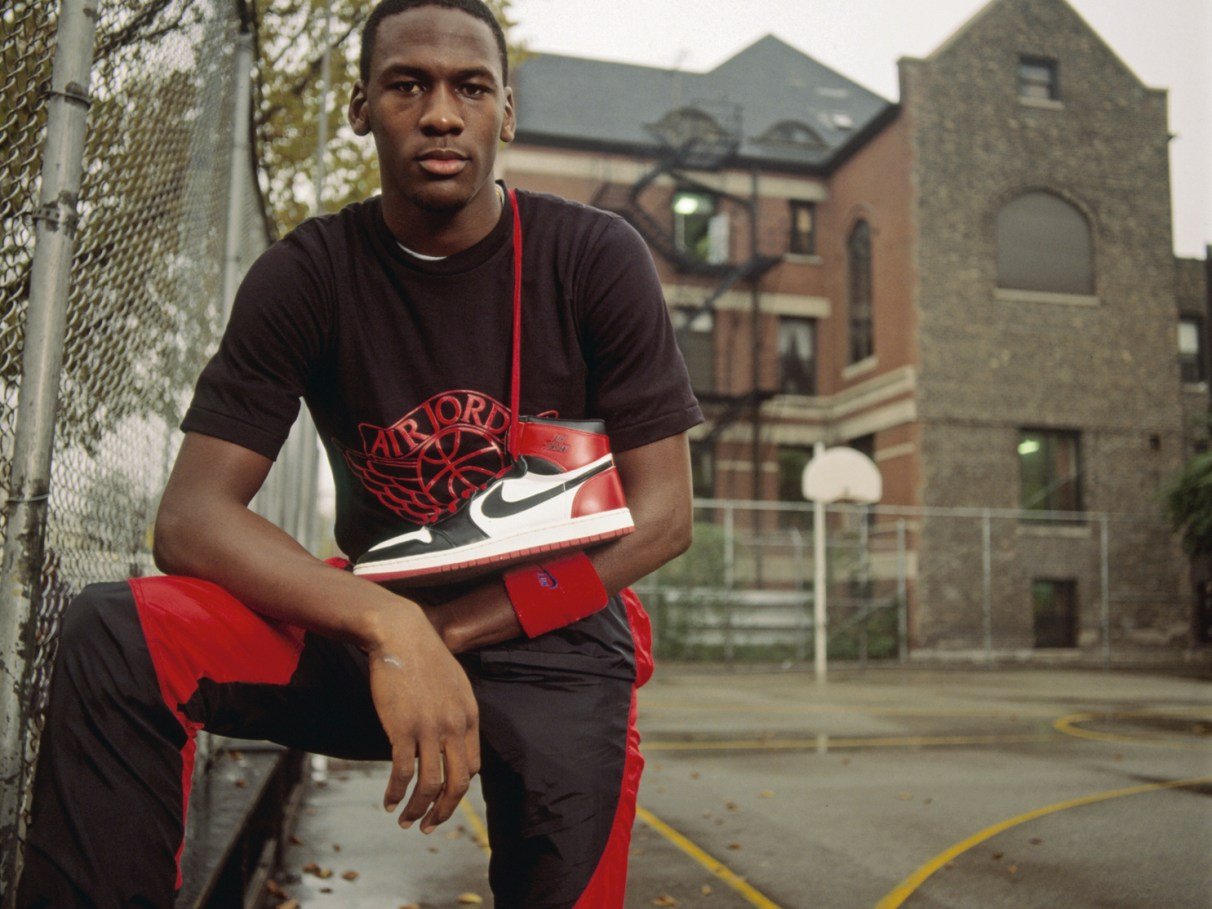
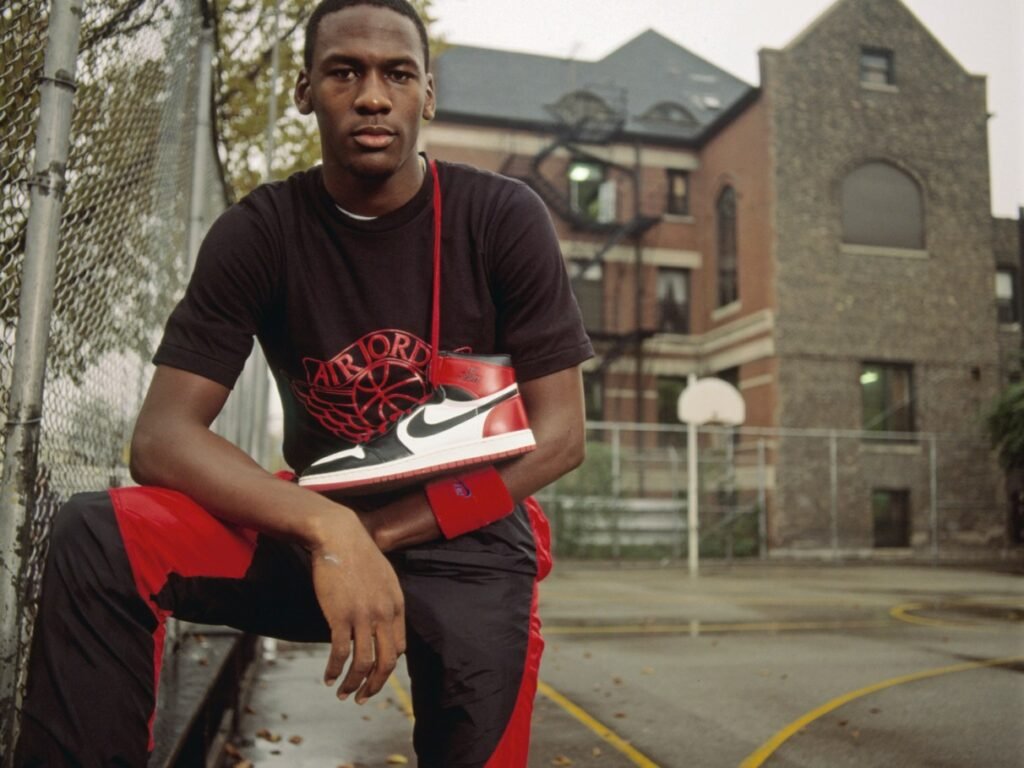
Back in the 90s and early 2000s, most athletes weren’t focused on building beyond the game they played, whether on the court, the pitch, or the ring. The present generation of athletes is changing that narrative. While we have the likes of Michael Jordan, who built a household sneaker brand with Nike, and David Beckham, who became a global icon and business tycoon, many athletes in their time still didn’t pick up on the streak of building outside their day-to-day careers. As the years went by, we are now seeing a generation of sportsmen and women doing things in a way we never thought they would. The business strategy of older generation athletes may have been noteworthy, but it isn’t all about that for this generation. The digital era has made a difference and so has the pathway changed. These generations of athletes are clamoring to build an identity that isn’t dictated by how they play and what their teammates do. And beyond identity, social media has also handed them a tool the likes of David Beckham and Michael Jordan didn’t have when they started. Combining that with the refined mindset most athletes now have, there’s a lot to understand behind all of this.
The Power to Own Their Narratives
In the past, when a wrong or inappropriate statement was said and written about an athlete in a newspaper or on TV, most of the time, they had no way to argue their way out of it. Whatever was said could be spread across traditional media and fans were free to digest it and create assumptions. Fast forward to recent times, and athletes have come to realise how much weight traditional media can hold against them.
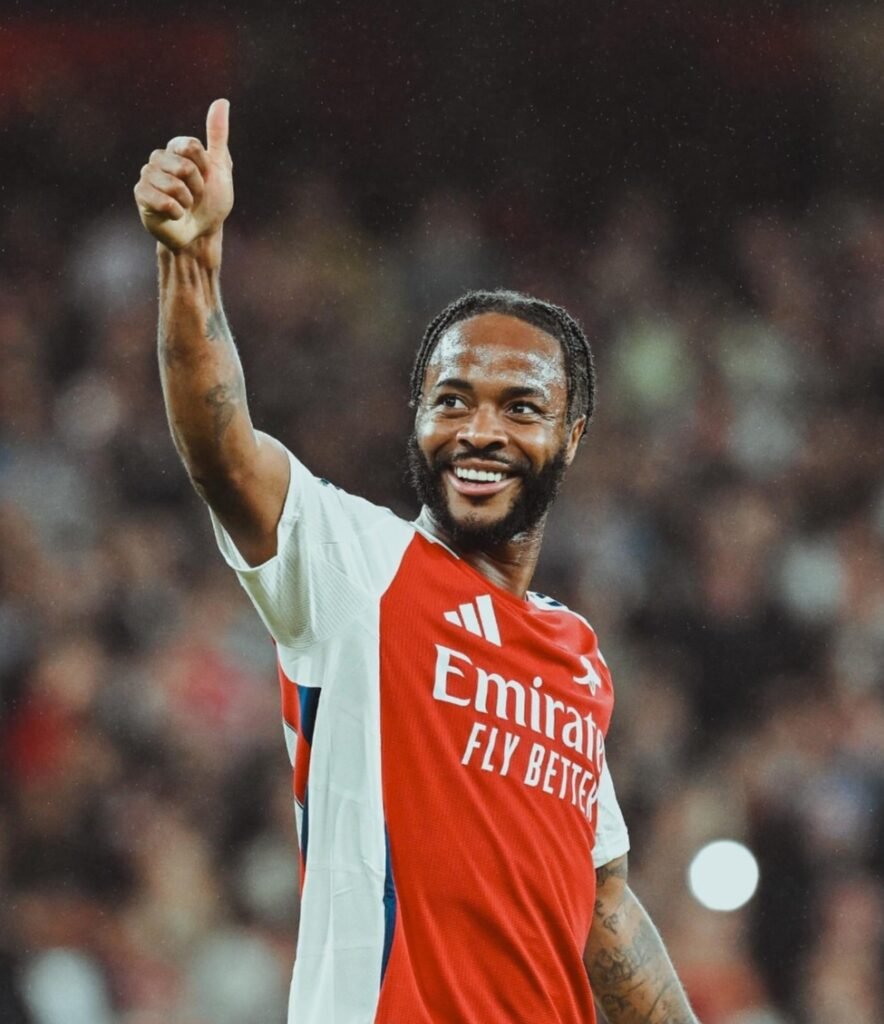
A slight incident can happen on the courts and while it may not be what it seems, reporters, fans and anyone can easily make a story out of it. They can be made to be seen as a villain, and others can be tagged into creating fan wars.Raheem Sterling was once a recipient of this. For years, British newspapers targeted him as being greedy. He was also criticised for buying his mum a house and flying on a cheap airline. If he weren’t a social media native or didn’t have an online presence, this could have easily continued without him having a say. Similar situations continued to happen among young black players. Thanks to him being online and aware, he decided to post a screenshot of two newspaper headlines from The Daily Mail. One of the headlines bashed a black player for buying his mum a house while the other praised a white player for doing the same thing. He posted this and highlighted how the media tends to fuel racism. The post went viral and hit the right nail on the head. With that act, he changed and owned his and other young black players’ narrative against what the media had to say.
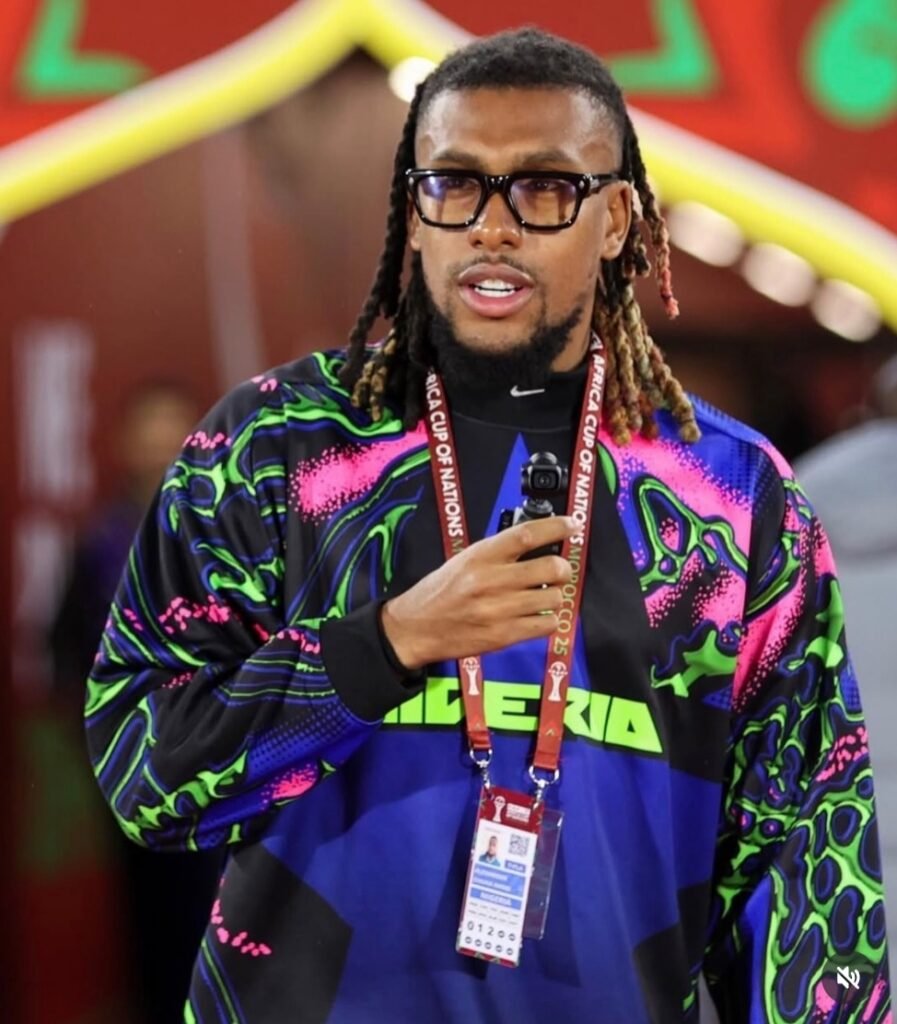
There’s also another angle. Aside from trying to argue back at whatever the media said wrongly about them, most fans only know their favourite sportsperson through the sport they play. Outside of it, there’s a void of what they know. During one of the press conferences at the last 2025 AFCON, Alex Iwobi, the Nigerian Super Eagles midfielder mentioned that he vlogs and makes videos for his YouTube channel so he can control his narrative and also show people how the Super Eagles players are beyond the pitch. He was known for his post-game vlogs after every AFCON game with the Super Eagles and it soon became a show that almost every fan was eager to watch.These are clear examples of what athletes are doing now; changing the narratives, showing people they are much more outside the game whilst also maintaining relevance. This is one of the many reasons athletes aren’t just athletes anymore.
Identity & Wealth Beyond Sports
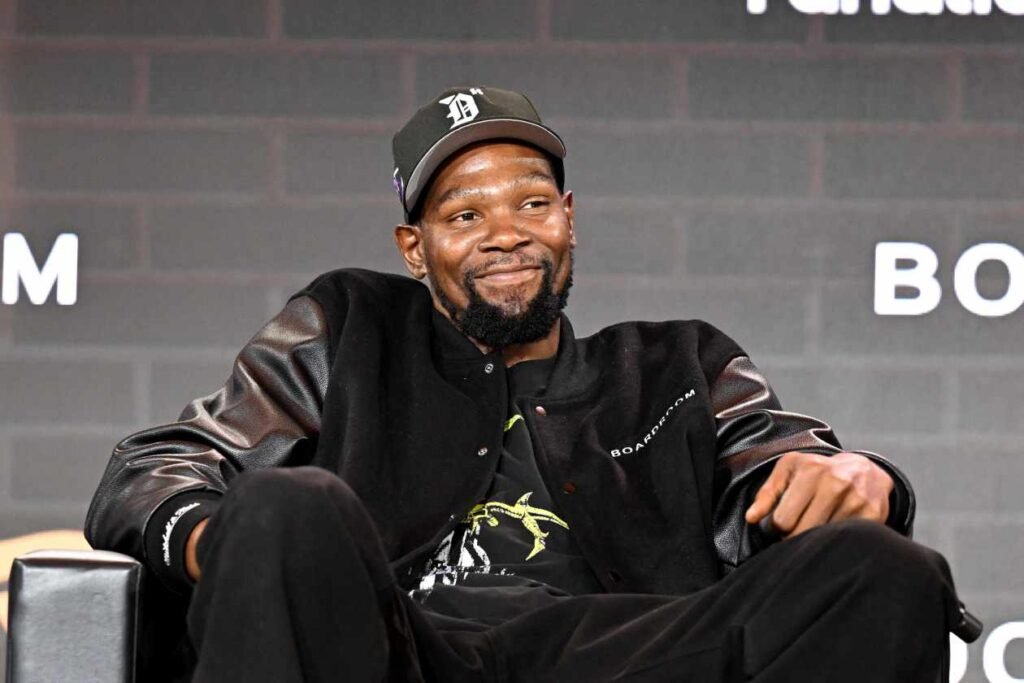
While everyone wishes to be close friends with that footballer or be close relatives to an NFL player, the money stops coming in eventually. Every game has an expiry date. As athletes get older, they retire and while they might be seen as legends in the eyes of many, they are also humans with needs. Before the game retires them, athletes are already building their wealth and identity around sustainable brands and business investments. One of the athletes who has intentionally taken this stride is Kevin Durant. He and his business partner Rich Kleiman, founded Boardroom in 2019, a sports, media and entertainment company. It is Kevin Durant’s primary business which was designed to specifically help him become a media mogul when he retires from the NBA. He once said this via Boardroom Talks:
“There’s gonna come a time when it’s not my place, and we’re creeping closer to that… This is what I spent all my life doing, every day… So, to know that, having a handful of years, hopefully, left to do this, gotta start getting prepared for that next phase. I feel as though what we’re creating at Boardroom is something that I really can help elevate when I’m done playing.”
Angel Reese, the Barbie of WNBA has also turned her popularity into a modern brand. In 2024, she launched her own podcast Unapologetically Angel inviting stars in sports and music. In recent times, she has also leaned more into equity ownership. She is a major investor in Topicals, a black-owned skincare brand. She has also purchased an ownership stake in DC Power FC, a professional women’s soccer team in Washington DC. She’s heavily into fashion as well and has partnered with various brands to release her own limited edition merchandise.
We also have the likes of Naomi Osaka who built her own skincare brand and sports agency whilst still being an active tennis player. We can call it a side hustle but it sure has levels to it and significance. They won’t always be tennis players or basketball players, what’s left would be what they built while they were still actively at the centre of the game.

The New Normal
Now the game isn’t the final destination, it’s more of a launching pad. Before, when athletes ventured into other things, it could be seen as a distraction for them but now if there is an athlete actively doing nothing on the side, a high brow can be raised. This isn’t to force every sportsman or woman into doing something but logically and realistically, it’s the new normal. Also, building an online presence as an athlete in this digital era can do a lot more good than harm. While tabloids are pushing out wrong headlines, they have the power to rewrite them. When athletes actively take their audience through their daily lifestyle, they unintentionally form an army that rises for them even when they aren’t looking. They get to feel like they know their favourite player and that alone fuels more fan excitement and appreciation for the athlete.It’s no longer news, your favourite football player can be a YouTuber after the 90 minutes run out and your favourite WWE wrestler might just own a bakery across the street. It shouldn’t be seen as a taboo but instead a normal era where we all can appreciate them beyond the confines of the game.
What’s your take?