BY EMMANUEL OSOGBON
The biggest clay-court stage in the world opened this week but behind the glamour of Roland Garros, a quiet revolt is brewing. From Sabalenka to Sinner, the loudest names in tennis are asking the same question: who really gets paid when the Grand Slams print money?
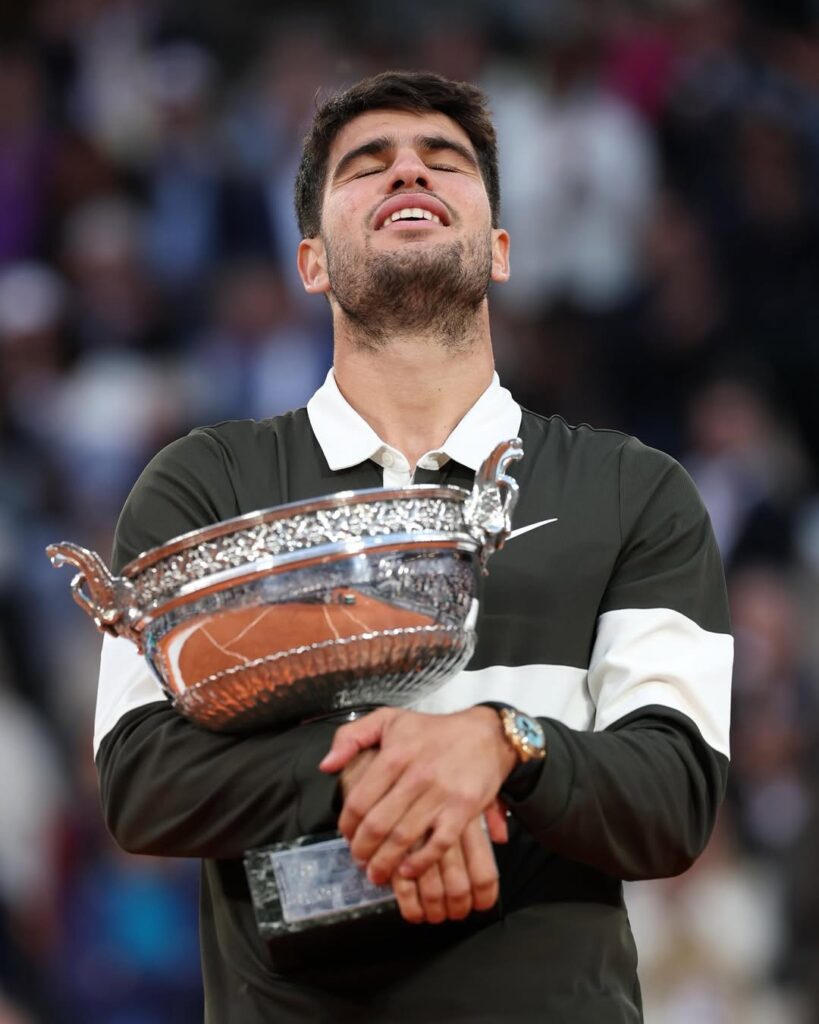
All Eyes on the Red Sand
The beast tournament is here, the grand finale of the clay-court season: Roland Garros. One of the pinnacles of tennis, what I consider the most grueling of all the slams, and one of the sport’s most coveted titles.
The organisers are ready and have set everything in motion. Even without two-time defending champion Carlos Alcaraz in the draw this year who sidelined by a right-wrist injury and a handful of other top names missing through fitness issues, the fans remain euphoric, unable to wait to see their faves on the biggest stage of the red sand.
But beneath the glamour of this great tennis stage, a silent tension is brewing. Whispers of frustration and threats of a boycott are clouding the tournament, as a fierce dispute over Grand Slam prize money creates a growing rift between the athletes and the organisers.
Why is the Biggest Clay-Court Event of the Year Overshadowed by Money Talks?
For most of tennis history, the Grand Slams were untouchable. The four jewels which are the Australian Open, Roland Garros, Wimbledon and the US Open were the institutions players bowed to, not the institutions players threatened.
For decades, going as far back as the early 1970s, there has been a persistent dialogue in tennis. Players have consistently spoken out about how prize money at Grand Slams and other major events is not being distributed fairly, arguing that while these multi-million-dollar tournaments continue to break revenue records, the athletes themselves receive only a very low fraction of the profits.
More recently, the tension has escalated drastically sparking serious debates over a possible boycott.
The Economics of a Grand Slam
How Grand Slams Make Their Money
It is estimated that a Grand Slam tournament like the French Open generates well over €400 million in total revenue. A massive chunk of this as much as €110 million comes directly from lucrative broadcasting rights with global television giants like France Télévisions, Eurosport and ESPN.
When you combine these broadcast deals with multi-million-dollar sponsorships from premium brands, record-breaking ticket sales, and high-end merchandise, the tournament’s financial success is undeniable.
How Much Goes to the Players?
However, the shocking reality is that only about 12% to 15% of this massive revenue actually goes back to the players. That percentage is absurd when compared to other major sports.
Let that sink in. Look at how the numbers compare with other leagues:
- NBA players: ~50% of basketball-related income
- NFL players: ~48% of league revenue (per the most recent CBA)
- NHL players: ~50% via CBA
- Tennis players at the Grand Slams: 12% to 15%
A championship-level footballer in England’s second division, or a top player past their prime, can still earn comfortable, reliable wages while their clubs cover most of their daily needs. Meanwhile, a top tennis player ranked just outside the top 100 struggles to make a decent living.
These lower-ranked athletes are also heavily taxed, and they have to personally fund their entire careers out of pocket. They pay for international flights, accommodation, meals, equipment and training facilities. On top of that, they must pay their own coaching staff and physiotherapists.
And when these players try to cut down costs like working without a coach, it shows. Performance on court drops significantly, and it inevitably catches up with them.
“The real question here is not how much money they make, but how the money is distributed. What the players are complaining about is the fact that the governing bodies are not giving back a high percentage of the money they make… Most of the money the governing bodies are giving back is going to a very small proportion of the players. It’s not normal that in a sport like tennis, a guy who’s ranked 150 in the world cannot make a living. This is completely a scandal.”
— Patrick Mouratoglou, renowned tennis coach
Mouratoglou, who has been part of coaching teams during multiple Grand Slam title runs most notably with Serena Williams recently spoke out on this exact crisis, calling it an outright systemic failure.
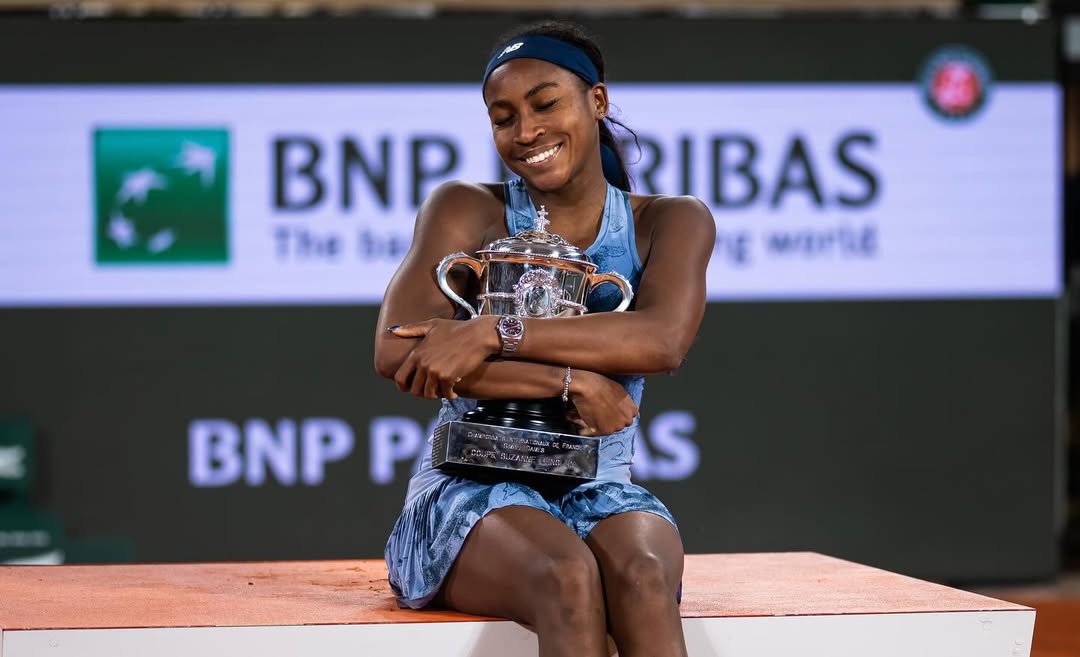
Coco Gauff is the one who said it best.
When asked why she, a Grand Slam champion making millions in endorsements would risk a boycott, Gauff said:
“It’s not about me. It’s about the future of our sport and also the current players who aren’t getting as much benefits, maybe, as even some of the top players are getting when it comes to sponsorship and things like that.”
Then she dropped the line that should be carved into the lobby of every tennis federation:
“We’re making money off court. When you look at the [players ranked] 50 to 100, 50 to 200, how much money each Slam makes, it’s kind of unfortunate where the 200 best tennis players are living paycheque to paycheque.”
What Are the Chances of a Boycott?
WTA World No. 1 Aryna Sabalenka recently sparked a controversial argument, insisting the entertainment relies entirely on the competitors. “Without us, there wouldn’t be a tournament,” Sabalenka stated, pushing for a higher percentage of revenue and openly admitting she wouldn’t mind boycotting if that’s what it takes to force the organisers’ hands.
World No. 1 Jannik Sinner has also offered solidarity, believing the players are giving much more than they are getting back. Sinner has called for tournament organisers to show more respect, emphasising that this fight isn’t just for top performers like himself, but also for lower-ranked men and women across the entire tour.
Beyond the money itself, Sinner highlighted a severe lack of communication from the federations. He pointed out that in other professional sports, if top athletes contact their governing bodies with a major issue, a meeting is set up within 48 hours. In tennis, however, players have been consistently ignored.
Given that these are two of the most dominant and respected voices in the sport today, their warnings carry massive weight.
A Quick History Lesson: 1973, Wimbledon, and the Original Boycott
As this looms, it is worth looking back at tennis history to see how real these threats are. In 1973, a historic breaking point occurred when 81 players boycotted Wimbledon in solidarity with Nikola Pilić, who had been suspended after a dispute with his national federation. Just like today, that famous revolt wasn’t just about a single incident; it was the explosive result of years of tension over player revenue splits, poor communication, and the questionable treatment of athletes by tournament organisers.
Today, the frustration seems to be reaching a similar point. Some top stars have repeatedly complained about match scheduling and court conditions that prevent them from staying in peak physical shape. And there have been a notable number of injuries.
So… Will It Actually Happen?
Whether these compounding issues are enough to actually trigger a full player walkout remains highly debated. In reality, a modern Grand Slam boycott remains highly unlikely largely due to a lack of complete player unity.
Still, the debate rages on. If not Roland Garros, does it happen later in the year? At what point do organisers start sharing their success more fairly with the players who generate it?
Over to You
What’s happening in tennis right now is part of a larger athlete-empowerment wave that’s reshaping every major sport.
NIL changed college sports. The WNBA CBA fight changed women’s basketball. The Premier League and FIFA are battling players over fixture congestion and tournament expansion. F1 drivers are pushing back on the schedule. Even golf, the original “independent contractor” sport, has been thrown into chaos by the LIV-PGA war over what athletes are owed.
Whether you side with the players, the Slams, or somewhere in between, you should be paying attention. The athletes have spoken. The institutions have to answer.
The only real question left is whether the answer comes through compromise or through chaos.
Do you think the players have a real case, or is 15% of revenue fair? Drop your take in the comments and tell us which Grand Slam you think will break first.
Follow Athlete Vanity
For more sports culture, athlete stories and unfiltered takes, connect with us across the platforms:
- 📸 Instagram: @athletevanity
- 🐦 X (Twitter): @athletevanity
- ▶️ YouTube: @athletevanity
- 💼 LinkedIn: Athlete Vanity