By Damilola Oderinde
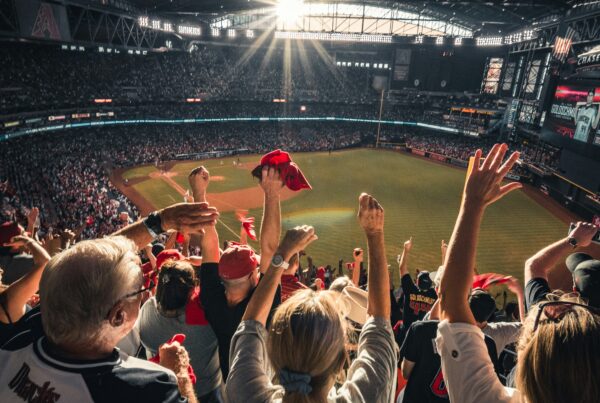
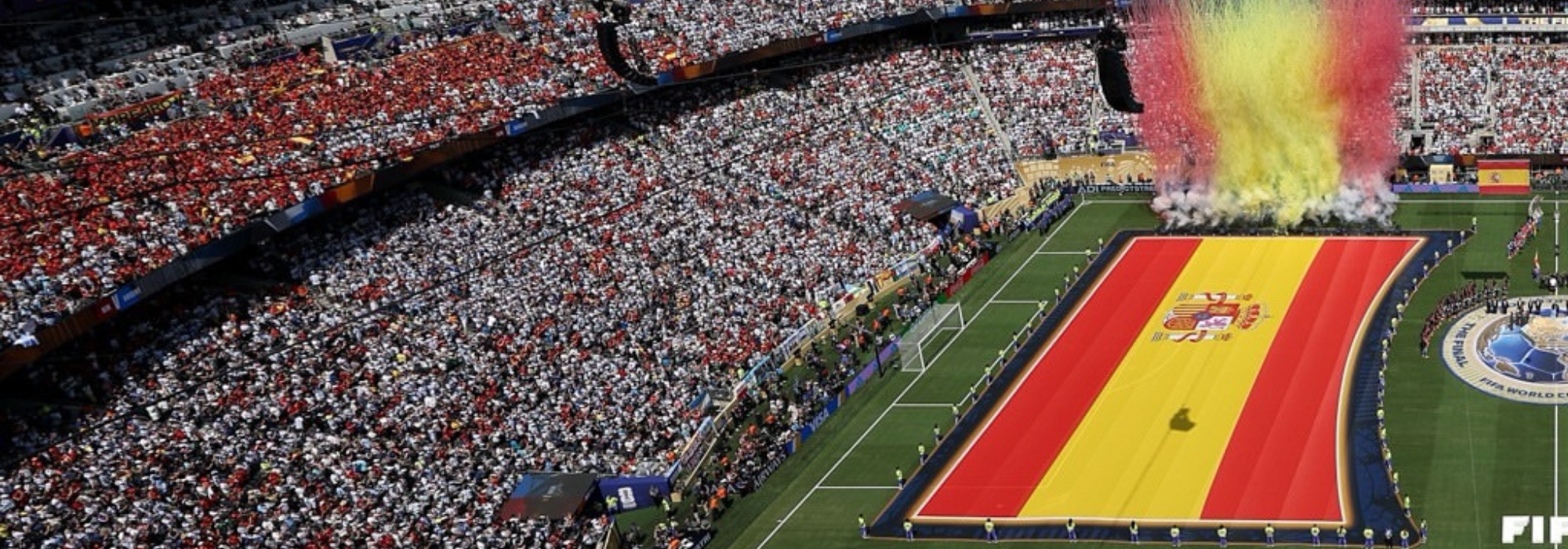
Spain lifted the FIFA World Cup trophy in a dominant fashion, but the tournament’s biggest stage was the internet. It showed us a side we couldn‘t have experienced anywhere else. Every moment was a work of art waiting to be captured. And those moments turned most casual football viewers into excited fans who had no choice but to look forward to each game.

Before Kickoff, Brands Were Already Playing
The months leading to the World Cup were filled with defining and unexpected moments, setting the tournament ablaze. Nike released a brilliant “Rip the Script” campaign featuring almost every star player from the competing countries, including Kylian Mbappé, Cristiano Ronaldo, and Virgil van Dijk — alongside Erling Haaland and a lookalike double played by Channing Tatum.
Before that came the infamous Lego ad, which brought Ronaldo, Lionel Messi, Vinícius Júnior, and Mbappé together in a commercial no one saw coming. The activations that followed were the perfect appetiser for the world‘s football appetite. We witnessed more brand campaigns, creator-brand collaborations, new boot collections, never-before-seen jersey designs from the participating countries, and Shakira returning to release another hit anthem with Burna Boy. The World Cup definitely brewed a hearty cup of coffee before kickoff.
And as the matches began, a secondary wave of cultural moments arrived. One where social media reactions were at the forefront with the rise of creator pundits, match predictions, and commentaries.
The Internet Rewarded the Fastest Reactions
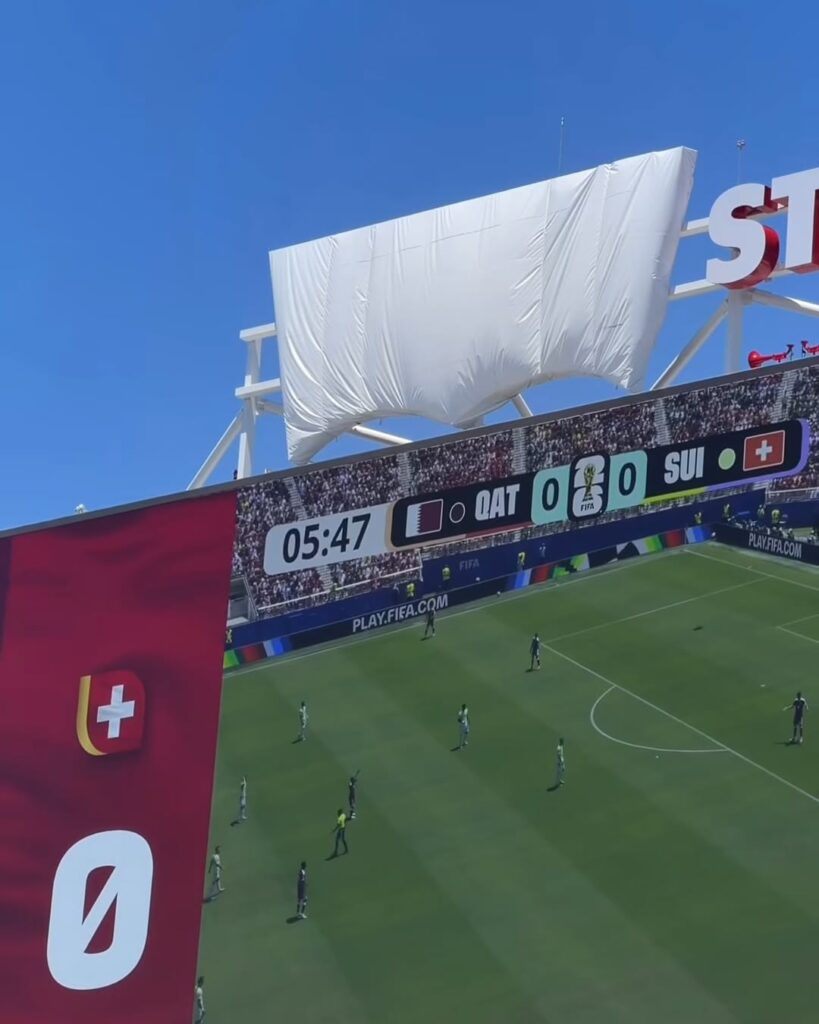
Levi’s Stadium had to be temporarily renamed for the tournament because they were not an official FIFA partner, and its exterior branding had to be covered. While this made sense from FIFA’s commercial standpoint, it felt bizarre to the public.
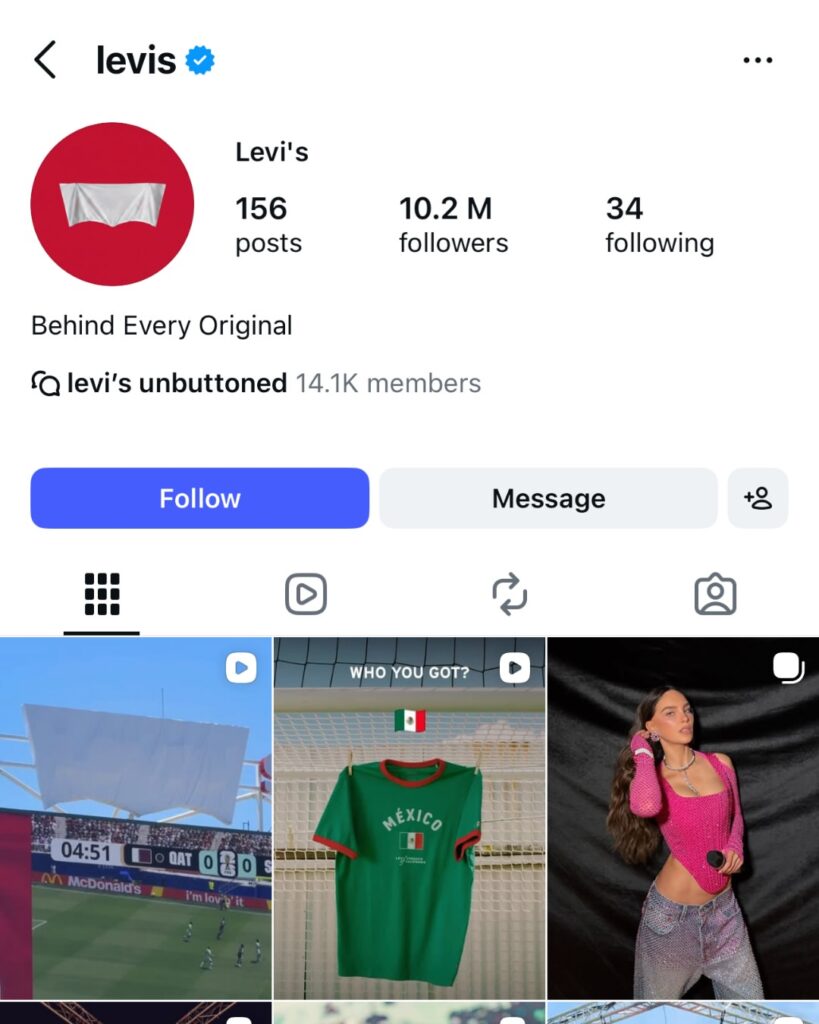
Levi’s didn‘t bat an eye. Covering the stadium logo with a white cloth did not hide the “batwing” silhouette underneath. Hence, Levi’s rebranded its logo to reflect it and even released t-shirts featuring the covered logo. The campaign flooded social media feeds, inspiring other brands like Heinz and Gillette to jump on the trend. FIFA tried to hide Levi’s identity, but Levi said, “Hold my cup, we can work with this.”
More reactive marketing followed. A FIFA floor staff member forgot her work shoes at home and wore her Nike sneakers instead. When she arrived at the stadium, she had to use black duct tape to cover the Nike logo because, apparently, Nike wasn’t an official sponsor either. She posted a TikTok video about it and shared how amusing it was to her. Social media did its thing, and Nike sent her a huge box of Nike sneakers days later. She unboxed them on TikTok and was visibly surprised. The whole exchange showed just how closely brands were paying attention during a tournament as big as the World Cup. Nike also used tape to cover its logo on the box because, well, two can play a game.
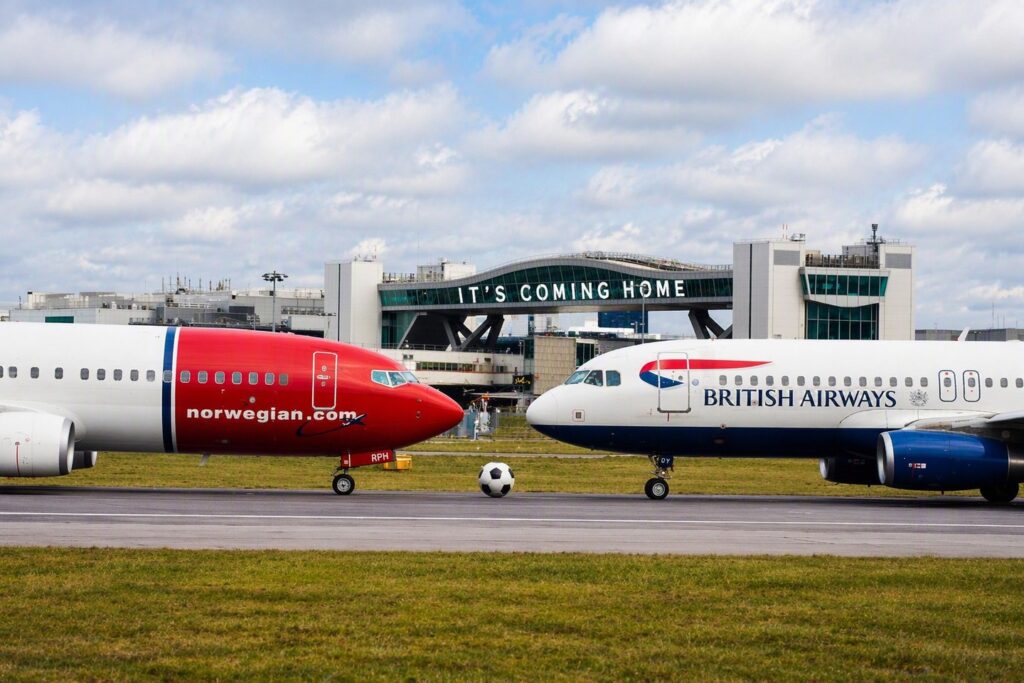
Norwegian Air and British Airways also embraced social media marketing trends, turning the quarter-final match between England and Norway into a friendly bet. British Airways promised to fly Norwegian fans home for free if England won. At the same time, Norwegian Air agreed to temporarily swap its logo for British Airways’ if England won. England did just that, and Norwegian Air kept its word. The playful stunt spread across social media, proving that even the most unexpected brands could partake in the World Cup conversation.
Personality Became Football’s Biggest Currency
Haaland might be a regular for any avid football fan; he’s a known Viking, a beast on the pitch, and a prolific scorer. But the World Cup made him from just a striker into the goofball people became obsessed with, especially among Americans.
The defining moment was when more people realised how little of his personality fits the stereotype of what a celebrity or star footballer like him should look like. His social media is a daily stream of moments; his Snapchat has the most unhinged vibe; and his behind-the-scenes videos, on and off the pitch, are genuinely uncanny.
As he played in the matches, his demeanour also fuelled the fan obsession. How he downplays his striking performances on the pitch, as if they’re nothing, has captivated people. Perhaps we’ve mostly seen football players as just pieces on the chessboard, but the tournament has exposed a side that shows fans see beyond their performance. A sign that hints at what a player’s personality can do to his public image. Lookalikes also began popping up on TikTok and Instagram, and it was obvious: you can’t ignore the Norwegian.
Americans Accepted Global Football, Not Just “Soccer”
This definitely wasn’t on anyone’s bingo card, but the World Cup made it possible. The US co-hosted the World Cup, so it was logical for Americans to be attentive, as it was bound to unfold in their backyard.
The NFL, MLB, and NBA might have them in their own bubble, but most of them found themselves gaining interest in global football. Their attentiveness to the game was high, with some posting daily recaps and thoughts after every match. Football fans didn’t disappoint either, explaining what certain rules meant and how to go about the game as new fans.
With this fresh enthusiasm for football, some are starting to choose clubs based on their new favourite from the World Cup, while others are writing teams on pieces of paper and shuffling them in a bowl to pick a team. Others are open-minded and plan to watch the whole season’s matches before deciding which team to support, which is actually a smarter approach.
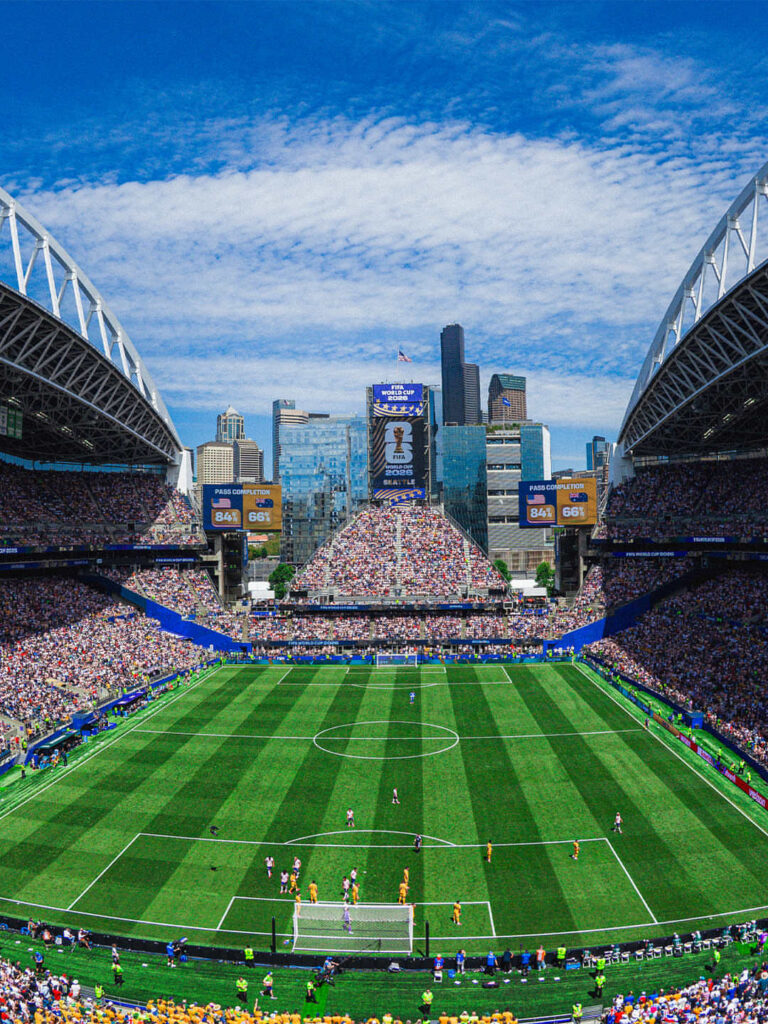
The 2026 World Cup has ended, but it left behind memorable moments. Every match had a story. Smaller teams outshone the heavyweights, and individual performances soared through the roof. Alongside this, fans worldwide grew, using every key moment as a propeller towards becoming united with one another. The brands that chose to stay close to the game benefited the most, and every marketing stunt was a reminder that football, like any cultural event, also has its place in the mainstream media.
Safe to say the it lived up to its hype culturally. Amid the controversies surrounding it, billions of people worldwide viewed, and the stands were always filled with supporters from each participating country. Fans were open to discussing every game online, making social media the ideal platform. The commentaries, the highlights, the brand reactions, the music performances, the team’s story and the on-field skills all came together to make a delight we call the World Cup.