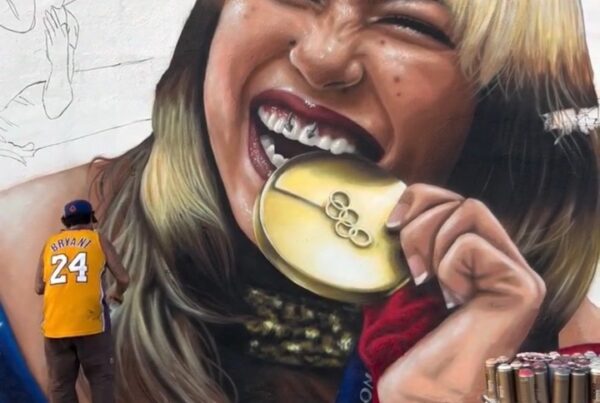
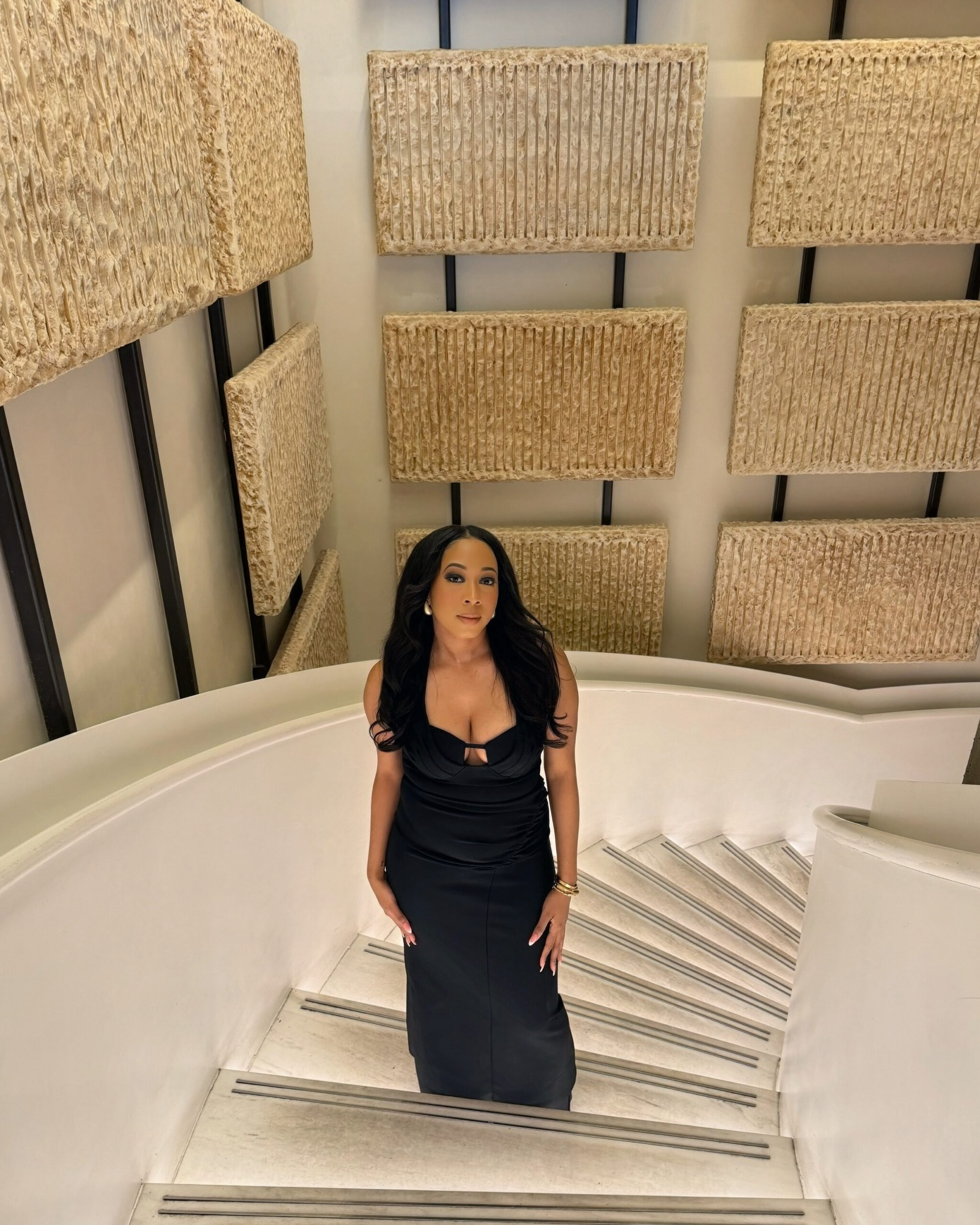
In the world of women’s sports which rarely receives the attention it deserves; a Black woman took it upon herself to tell its stories. As a young girl, Khristina Williams was fueled by Shannon Bobbitt, a
basketball superstar who showed her what was possible. “She was just the best at what she did,” Williams recalls. “I was like, ‘okay, she can do it, I can do it.'” That moment of recognition ignited a passion that would eventually shape how women’s sports are covered.
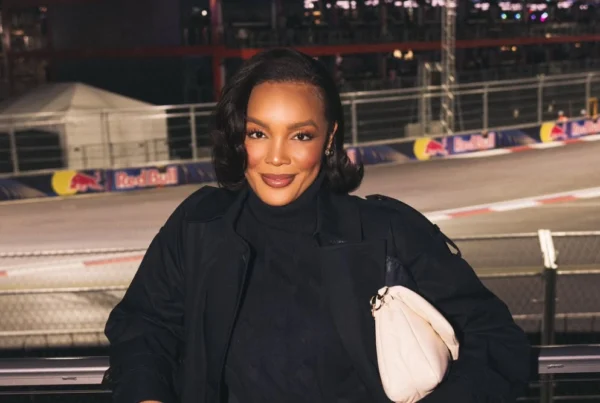
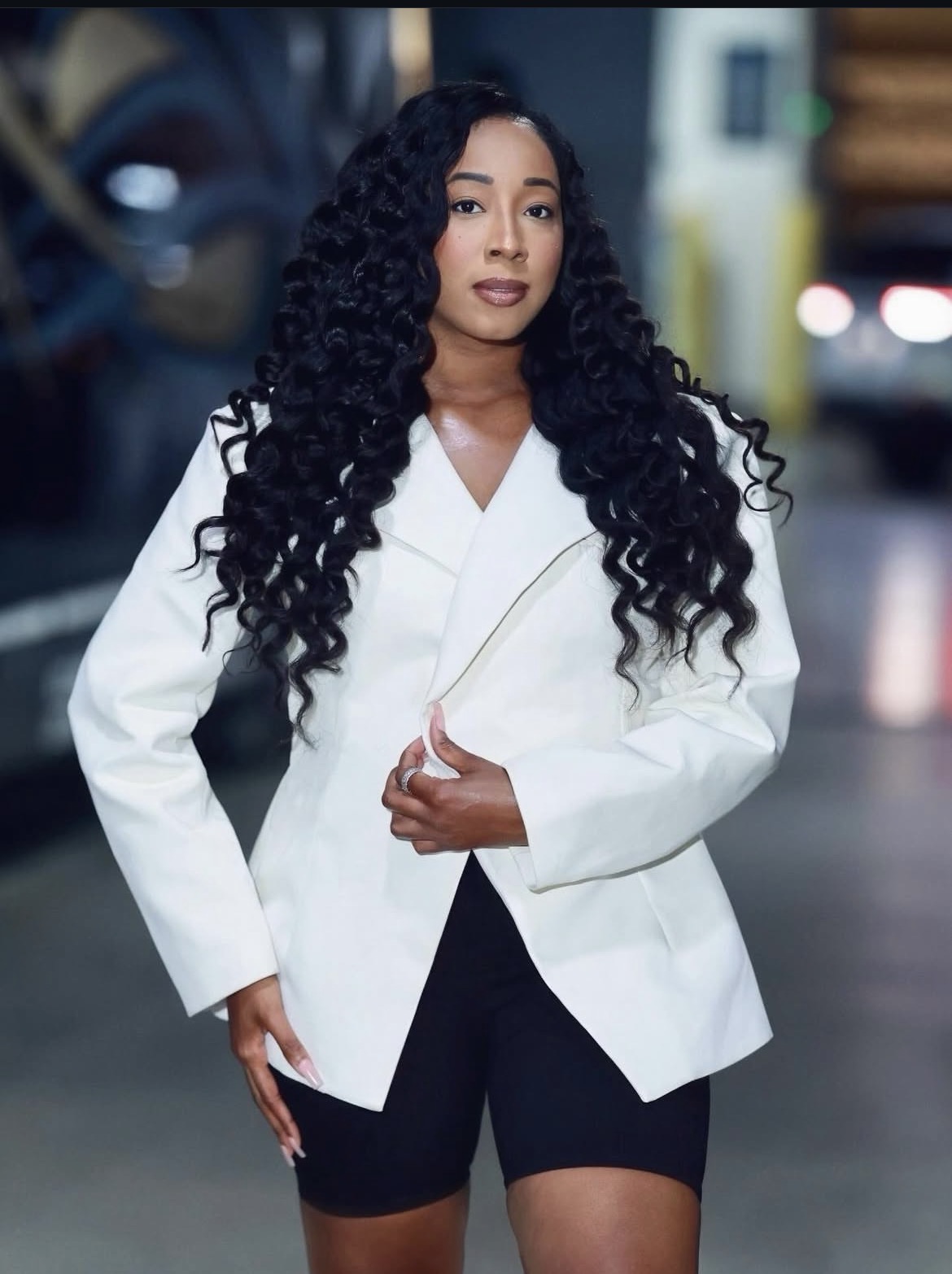
As we celebrate Women’s Month this March, we’re spotlighting exceptional women in sports—those whose work is lighting a torch in spaces that have been left in the dark. In our first feature, we had a virtual chat with Khristina Williams, an Emmy Award-winning sports reporter who has made it her mission to ensure women athletes aren’t just covered but centered. Growing up in Harlem, playing basketball, and earning a double major in journalism, Williams has built a career that speaks to her purpose. In a sports media industry still dominated by male voices, she’s carved out a space where women’s stories aren’t an afterthought, but a headline. From founding Girls Talk Sports TV to hosting “Women’s Sports Wednesday” on Spotify Live, Williams has consistently stayed ahead of the curve. At just 30, already a Forbes 30 Under 30 honoree, she continues to ask the question that drives her work:
What happens when women report on women in sports? Here’s what she shared with us.
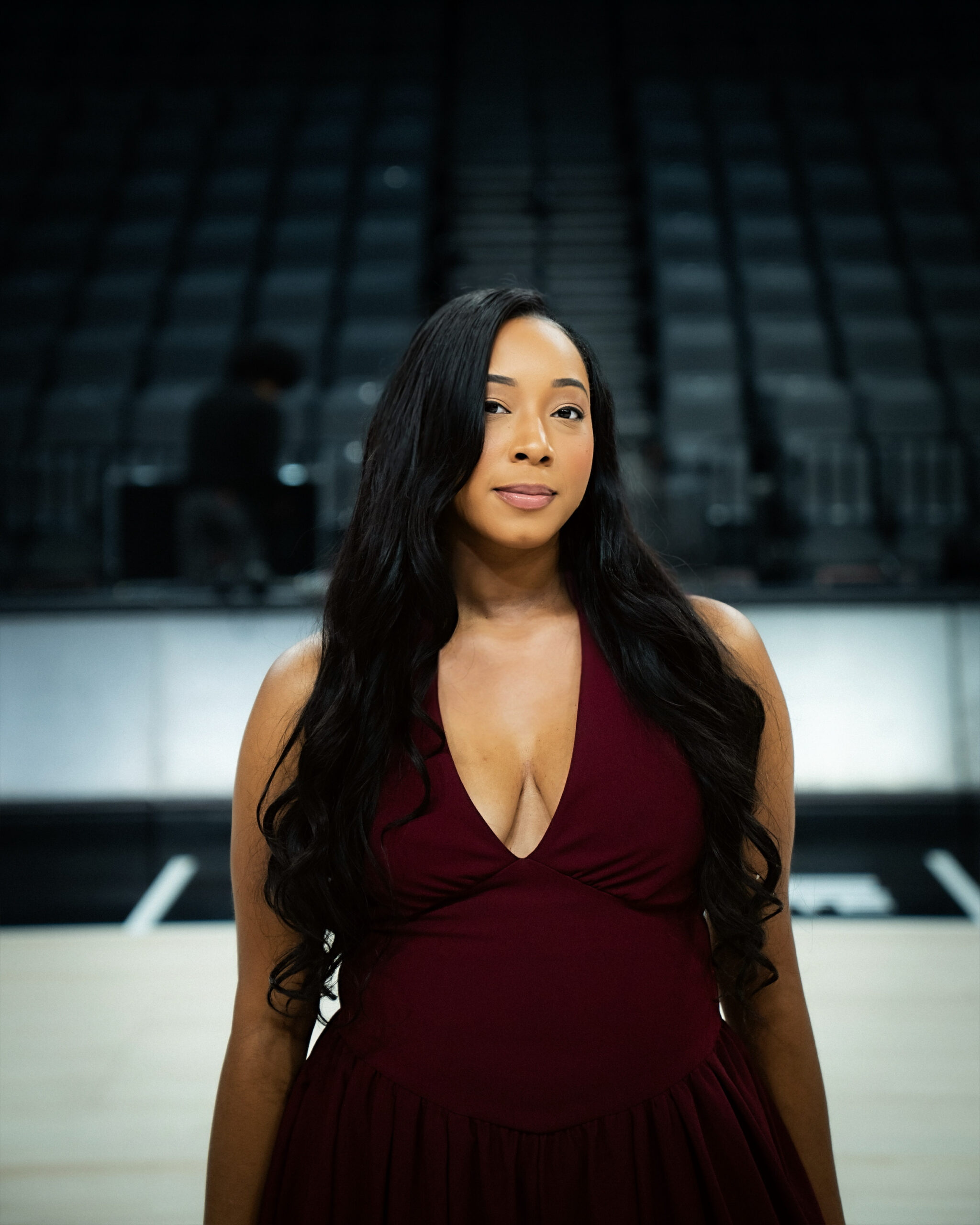
Q: You’ve built a career in sports media during a transformative time for women’s sports coverage. What was the pivotal moment when you realized you wanted to dedicate your platform specifically to amplifying women athletes?
Khristina: I founded a social-digital women’s basketball platform; Girls Talk Sports TV back in 2018 because I saw that there was a major media coverage gap. At the time, there were very little updates about WNBA games, storylines, and daily updates available. I wanted to address that issue, so I created a space where the approach to covering women’s basketball started with building a community through understanding the uniqueness of women’s sports fans as digital natives. It was also important for me to create content that was innovative but also stayed true to my journalistic roots. For me, I understood that in order to see any change in how the league was being covered, you’d have to treat it with the same seriousness as men’s sports.
Q: As a Forbes 30 Under 30, what advice would you give to young women trying to break into sports journalism or media which is an industry that’s historically been male dominated?
Khristina: Firstly, making Forbes 30 Under 30 as a Black independent sports journalist is a huge deal. When I completed my journalism degree I dreamt of working for a major news media outlet, but for whatever reason wasn’t afforded the opportunity. I was forced to carve out my own niche in the space and had to create my own opportunity. So my advice is to never measure your worth by a job title or a company. There is no straight path to success. Sometimes your big break won’t come until you take a leap of faith. So, just get started. Don’t be afraid to be a good disruptor. The rest of the world will eventually catch up.
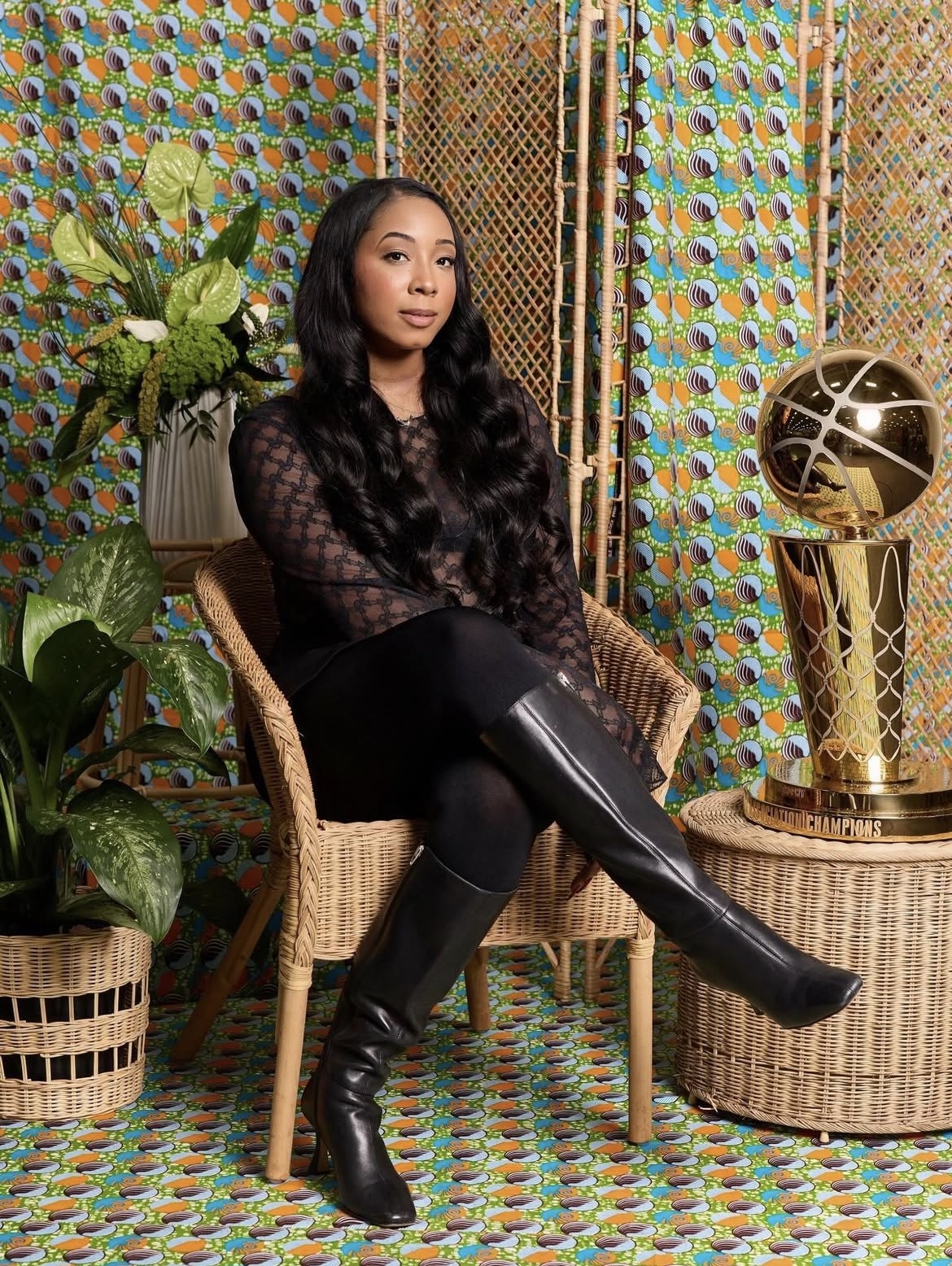
Q: Through your work hosting “In Case You Missed It” and “Women’s Sports Wednesday,” you’ve consistently centered women athletes’ narratives. Why do you think it’s critical that women report on women’s sports?
Khristina: I absolutely love that I was able to create, produce, and host both In Case You Missed It (iHeart Radio) and Women’s Sports Wednesdays (Spotify). As an independent journalist and creator, I’ve always prided myself on finding new ways to engage sports fans through first-of-its-kind digital media and distribution partnerships. For me, those projects addressed the issue of the lack of national women’s sports programming and not having a dedicated women’s sports vertical to share these stories in real time. It’s important to have women report on women’s sports because for far too long society has deemed men’s sports as mainstream or the default while women’s sports was seen as a niche. Men are not the neutral voice in sports. Everyone brings a perspective. And if we’re keeping it real women’s sports are often under-covered because newsrooms and those that have the power to make decisions are overwhelmingly male. As women’s basketball and women’s sports continue to gain momentum, it’s important to have it reflected in those covering the game. That means treating it as more than just a moment. There needs to be long term investment and resources poured into the coverage.
Q: What’s the biggest misconception about women’s sports that you’re actively working to change
through your platform?
Khristina: I don’t really focus on misconceptions because I approach my coverage of women’s sports with the seriousness it deserves. My responsibility isn’t to prove its legitimacy. I apply the same analytical lens and journalistic standards to my work as any journalist would. When you treat women’s sports like a legitimate industry—because it is— you don’t have to argue with misconceptions. You outgrow them.
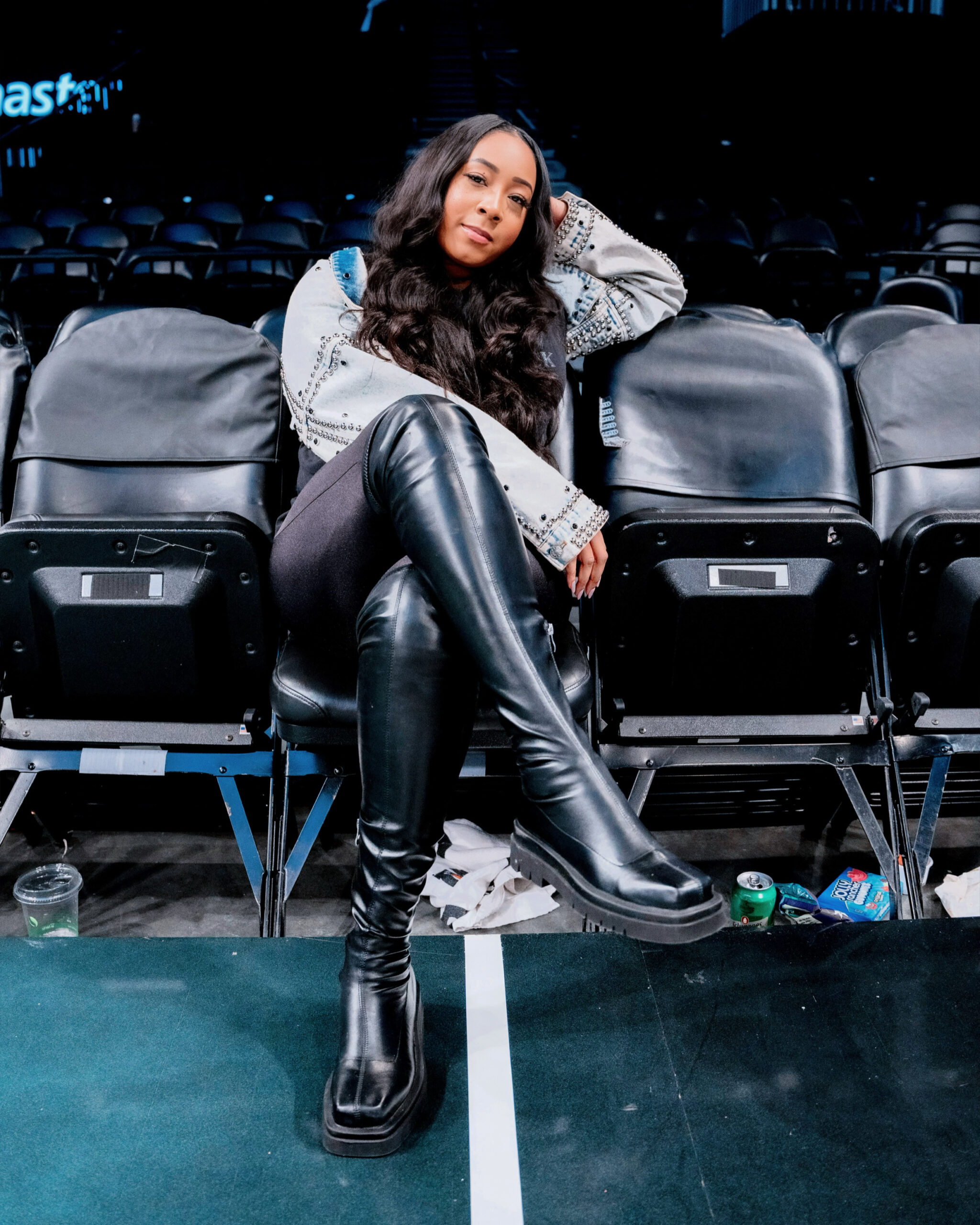
Q: You’ve mentioned wanting to executive produce a women’s sports documentary. What story do you feel is most urgent to tell right now about women in athletics?
Khristina: Yes, so I did publish a post on X stating that I want to executive produce a women’s sports documentary one day. I did it in part because I want to manifest it, and come back to the post when it happens… hahaha…I was recently at NBA All-Star talking to a friend and he expressed that he felt like I was underutilized in the women’s sports space. It’s been something that’s been heavy on my mind as I enter my eighth year covering women’s basketball. I’ve won all of the awards, I have the resume, I’ve had a lot of first-of-its-kind partnerships and contributed to networks. This season of my life is really about showing that there’s more to who I am than being a women’s basketball insider. There are so many layers to who I am beyond just breaking news and reporting. Producing a women’s sports documentary would be a total dream. I don’t want to give away any of my ideas. But I already have a concept in mind and a dream director in mind.
Q: How do you see your role evolving in shaping how mainstream media covers and celebrates women
athletes?
Khristina: What I’ve been able to do in the women’s basketball media space is undeniable. When I started covering the league, new and emerging media wasn’t accepted or seen as legit coverage. The league really only valued traditional media at the time. I’ve been able to partner with leagues like Athletes Unlimited, create shows with Spotify and iHeart, contribute to shows across MSG Networks, NBC, CBS Sports; and build a reputation as a go-to news breaker. When I first stepped into this industry, women’s sports received only 4% of all sports media coverage, that number is now at 15% because of new and emerging sports media platforms. Obviously, I’m not the sole reason for that spike in coverage, but I do see myself as one of the women who have pioneered the shift in how women’s sports are covered. More than anything, my journey is a testament that it’s okay to think outside of the box. Traditional media is important, but grassroots media and independent journalism has been the heartbeat of growing the game. In terms of my role evolving? I will just continue to advocate for newsrooms and media companies to invest resources and money into the coverage of women’s sports, and for the opportunities to go to those who have been in the space.
Q: Who are the women, whether in sports or media, who paved the way for your career, and what did
you learn from them?
Khristina: Honestly, when I came into the women’s basketball media space there wasn’t anyone who mentored me or opened doors. I had to learn on my own and figure it out along the way. But that motivated me to be the person I needed when I first got started. The NY Liberty was the first team to give me a media credential. At the time, they were playing at Westchester County Center. On any given day media row had about 4-5 reporters. That environment gave me room to be able to build real and authentic relationships. In this industry you can’t get by on vibes and proximity. You have to do the work. I will say I’m grateful for Renee Montgomery. In the early Girls Talk Sports TV days she was one of the players who saw the vision and respected what I was creating and never denied me for an interview. In fact, she was the first WNBA player that I actually sat down with on-camera for a one-on-one. Skylar Diggins is also an athlete who has publicly and privately advocated for Black female journalists and has been intentional with the access she provides. Sue Bird, too. She’s someone who has put her money where her mouth is when it comes to investing into women’s sports coverage, but also providing opportunities to those who have been experts in the space.
Q: For women’s month specifically: What does it mean to you to be a visible, successful woman in sports media, and what message do you want to send to the next generation?
Khristina: It’s an honor to be spotlighted for Women’s Month. I don’t take having a platform for granted. I know it comes with great responsibility, and that there’s even less room for error as a Black woman in this space. My message for the next generation is to stay true to who you are, because if you don’t, the world will try to mold you into something you’re not.
The Ripple Effect
Khristina Williams’ work extends far beyond the awards she’s won or the platforms she’s built. Her legacy is being written every time a young Black girl sees a woman who looks like she is breaking news in the WNBA, every time a sports newsroom considers investing in women’s coverage, every time an emerging journalist decides to create rather than wait. She started by wanting to amplify women athletes; but what she’s actually done is change the entire conversation about who gets to tell their stories, and why that matters. As the media industry is still catching up, Williams isn’t waiting. She’s already several steps ahead, lighting the path for those coming behind her.
Follow her on all social media platforms @khristinawilliams to follow her on her journey as she continues putting women’s sports on the map of sports media.