STYLE / SPORTS / CULTURE
Inside A’ja Wilson’s MET Gala Moment with Casey “iCON” Billingsley
The stylist behind one of the night’s most-talked-about looks sits down with Athlete Vanity to talk about Midas, mood boards, the politics of the carpet, and why kindness is still the most underrated tool in fashion.
Interview by UKPAI VICTOR · Athlete Vanity Editorial
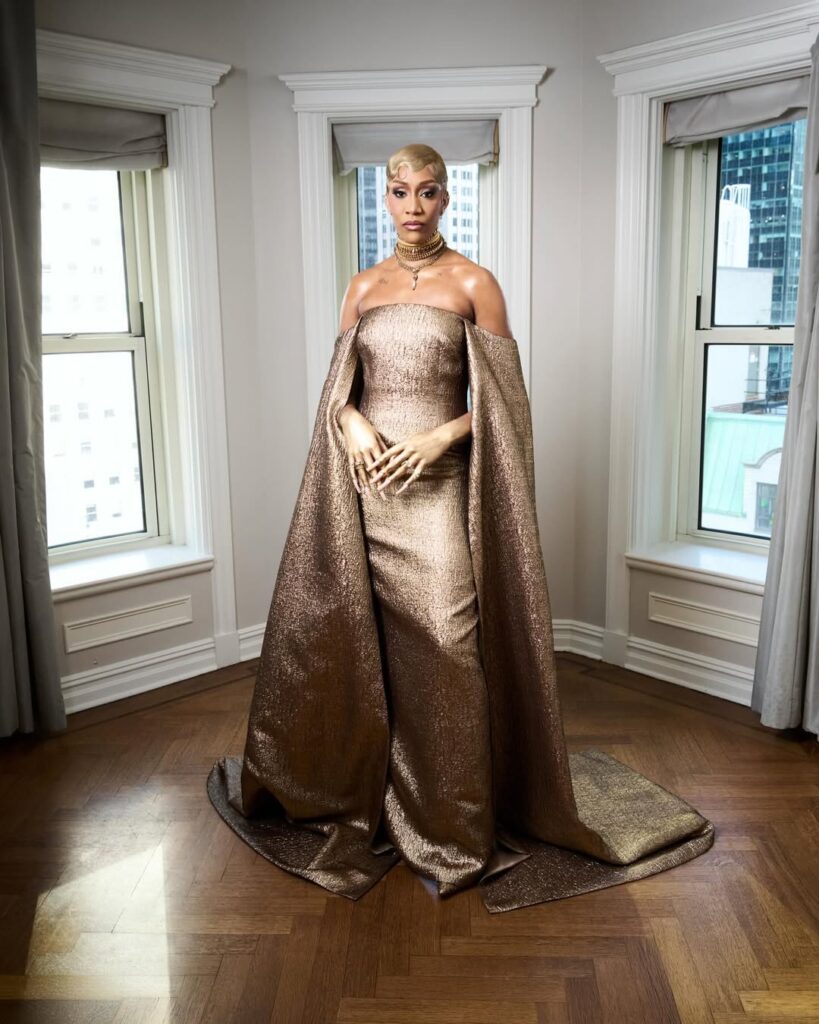
When A’ja Wilson stepped onto the MET Gala steps in gold, her stylist Casey “iCON” Billingsley wasn’t on the carpet — he was in a hotel room, refreshing his phone. The A’ja Wilson MET stylist had spent three weeks scrambling to land a look that would tower. It did. It stopped the carpet. When A’ja Wilson stepped onto the MET Gala steps in May, dipped in deep, rustic gold from the tips of her fingers to the hem of her gown, the moment did exactly what it was designed to do. It stopped the carpet. It towered.
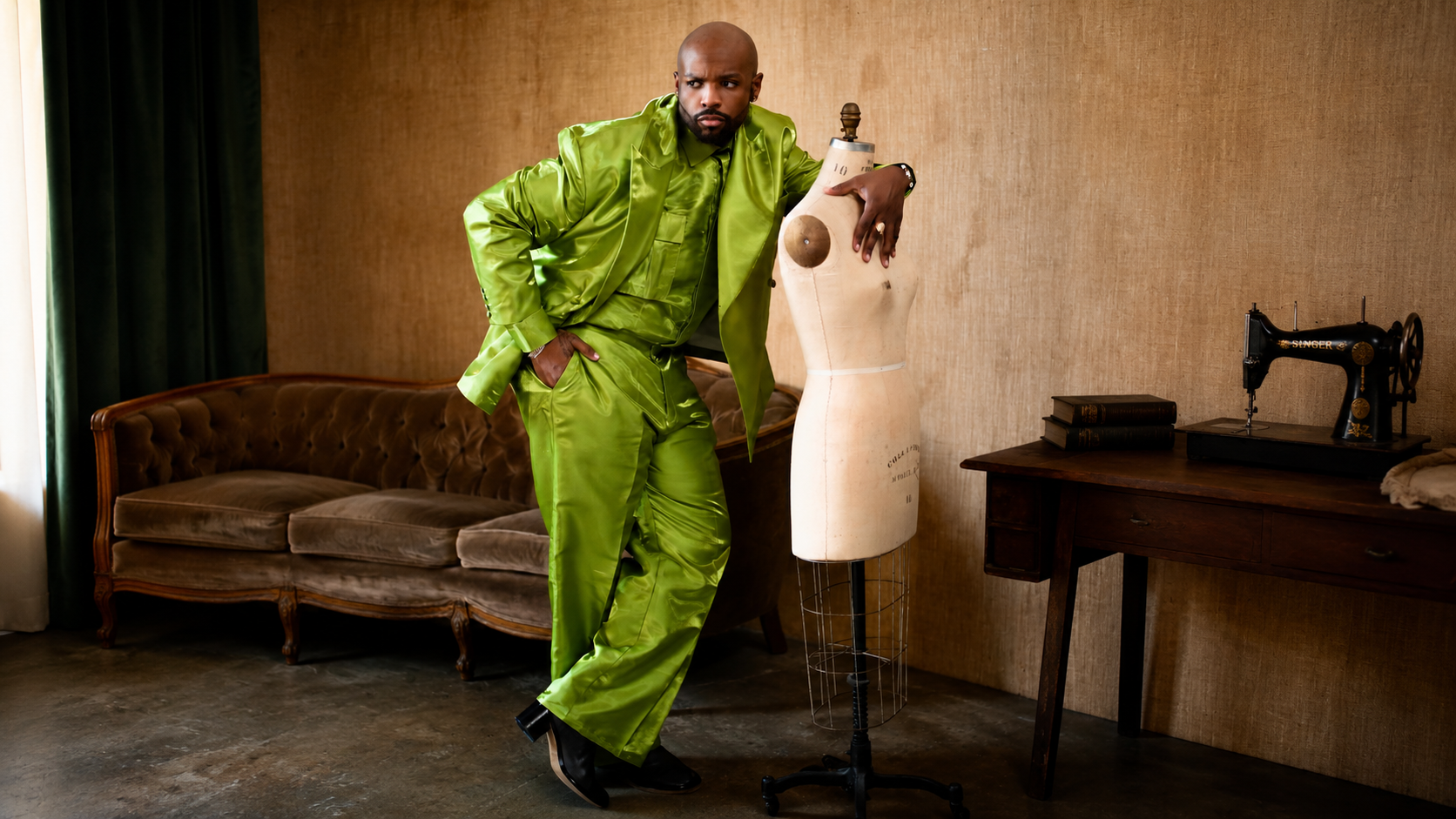
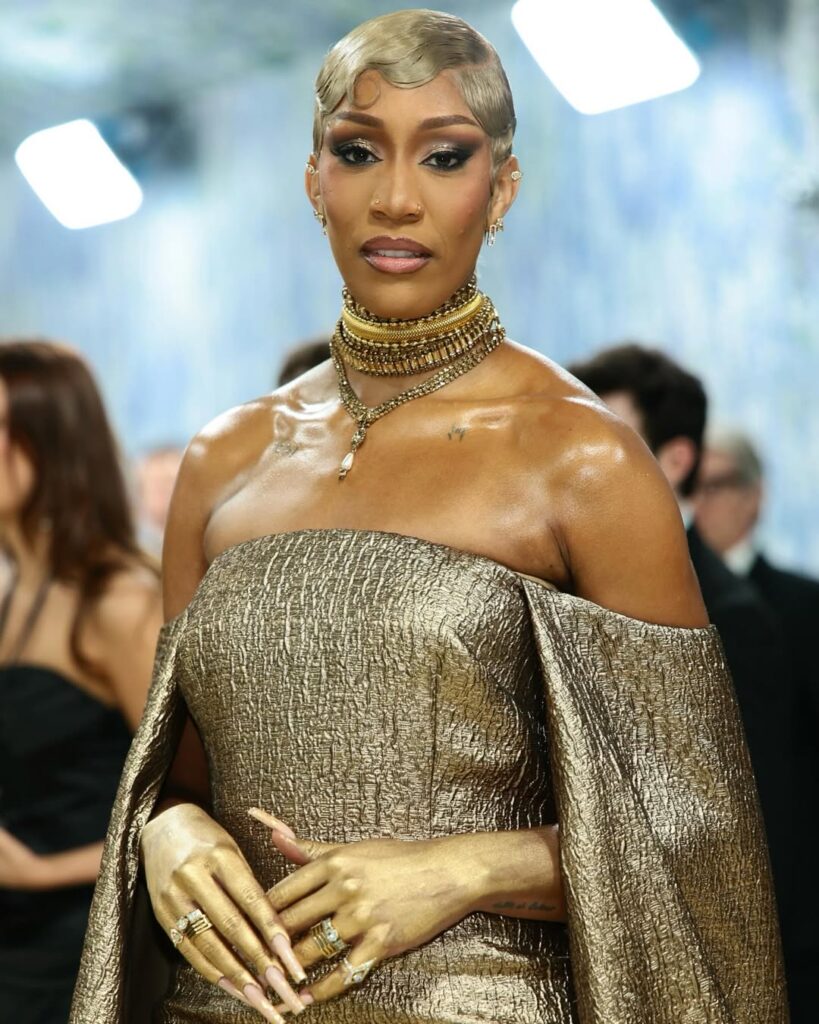
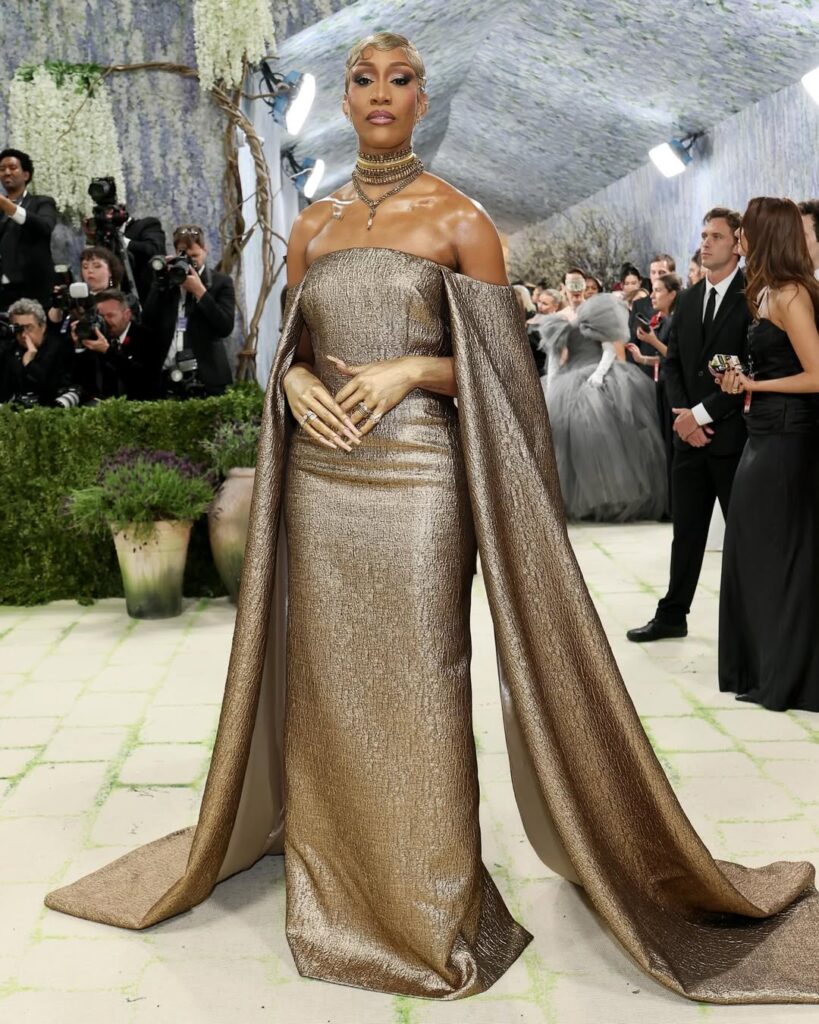
A’ja was wearing an oxidized gold textured matelassé strapless column gown with elongated cape sleeves by Prabal Gurung. The mind behind the look is Casey T. Billingsley, better known as iCON: a Birmingham-born, Southern-raised stylist whose client roster runs from Stevie Wonder to Savannah James to Winnie Harlow and now, deepening, with the most decorated player in women’s basketball. iCON is one of a small group of Black stylists quietly reshaping what fashion looks like at the intersection of sports and high culture.
We sat down with him five days after the gala, to talk about the Midas concept, the three-week scramble to dress a co-chair, the difference between hype and craft, and why — twenty years into a career built on relationships — he still answers the phone.
ATHLETE VANITY: Let’s start at the introduction. For anyone meeting you here for the first time — who is Casey T. Billingsley?
iCON: I’m a Southern boy. Southern soul, Southern energy. Born and raised in Birmingham, Alabama. And as long as I can remember from childhood, I’ve had this sense of creativity embedded in me. I used it as an escape from a very traditional upbringing. Coming from the South, creativity wasn’t something fed to you as a path to a life. It was either education or sports. Those were the two things that were going to catapult you into any kind of success.
For whatever reason, I never embraced that. I never internalized, “You need to go be a doctor, a lawyer, a sports medicine head, you need to really take football serious.” None of it registered. I clung to my own guns when it came to being expressive and always did things differently just because I wanted to.
I was raised by my grandma, and I was heavily raised in the church. Church was number one. If you didn’t do church, nothing else happened. And we all know fashion and getting dressed up is a big part of going to church. My grandma was one of the heavy hitters as she was over the pastor’s aid committee. She did not play about how she looked. Every Friday or Saturday, we’d go to her favorite store and she’d be in there picking out her church clothes. At first I hated it. I just wanted to be outside with my friends. Then it went from a nuisance to me being intrigued. And then from me not wanting to go to me asking her when we were going.
My grandma ended up being my first client, unknowingly. When her health started declining and she got slower, she would send me to pick out what she was wearing to church. If I came back with the wrong stockings, the wrong fabric skirt, she’d send me right back. The man at the store taught me colorways, swatches, fabrics and I just started learning. By the time I got to college, I realized this was something you could actually study.
My goal has always been to be responsible for something creatively colossal. With the help of God, the universe, and certain people, I’ve managed to get into a space to work with some incredible humans. Now I’m just looking forward to watering that and doing more.
“My goal has always been to be responsible for something creatively colossal.”
ATHLETE VANITY: The “iCON” — where does the name come from? People keep trying to read it as branding.
iCON: It’s actually a nickname, given to me as a joke in college. My freshman year, the school handed out superlatives. They had a Fashion Icon Award for the person with the most style and I won it as a freshman. The upperclassmen weren’t thrilled. So every time people saw me on campus it became, “Oh, there’s the fashion icon, there’s the fashion icon.” One of my homies said, “You should just go by that.” This was when Facebook first became a thing. He told me, “Sign up as iCON,” and I did. Every other platform after that had the same handle. Then I started writing a column on a fashion blog called iCON Tips. Twenty years later, here we are.
ATHLETE VANITY: Outside your grandmother, who were your earliest references? The people who made this life feel possible?
iCON: The first person who really made me feel like this life was possible was André Leon Talley. He was the first person I saw in the space who looked like me. Fashion had always been led by white women in the magazines, and my grandma got me every subscription: Vogue, Elle, Harper’s Bazaar and the line of notes was always the same. Then I found out about André. And I learned he was from the South. He’d been raised by his grandmother. He’d been raised in the church. I was like this is somebody who comes from where I come from in every aspect. He’s me before I was me. So, I honed in. I got his memoirs; I read them all. Anything he did, I studied.
Then Bethann Hardison, the early Black supermodels who really had to fight for a stance. And Grace Jones. Her audaciousness. What she did stylistically is one of one. She really took the bull by the horn and said, “Let me show y’all something.” People reference her to this day. Those three are who I remember looking at and just being like: wow.
ATHLETE VANITY: People throw the word “stylist” around freely. From the inside, what does the job actually require that most people don’t see?
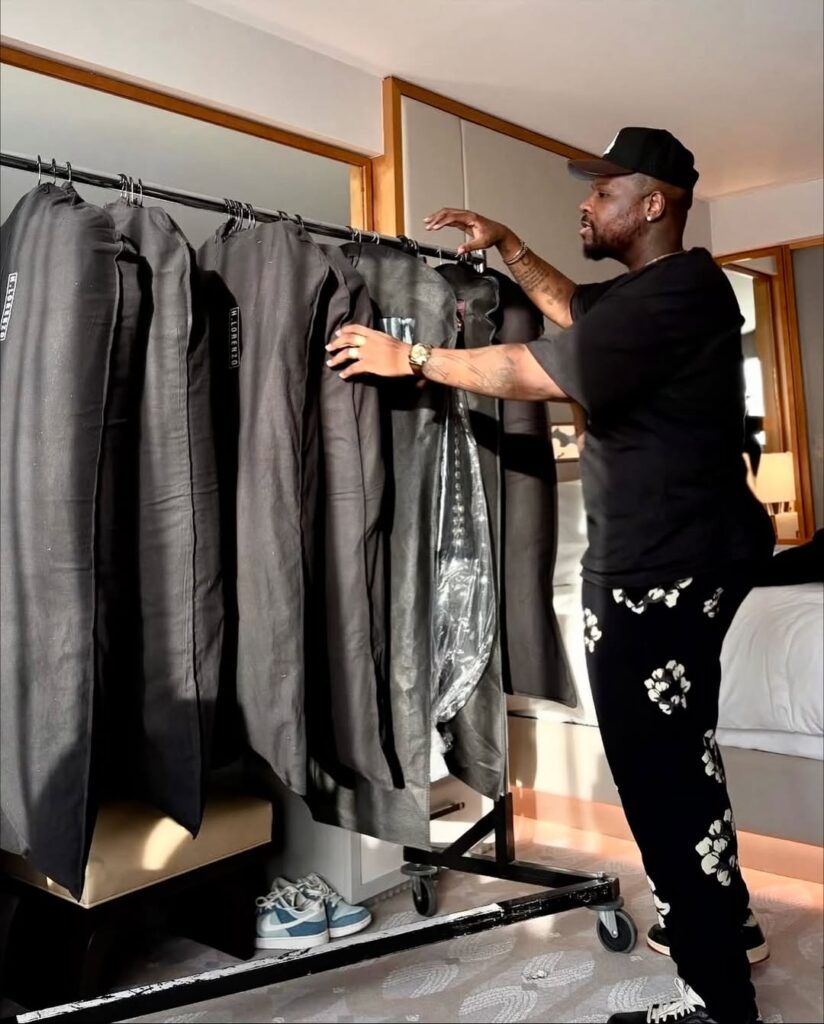
iCON: Styling is not easy. It’s not always fun. It’s very physical work. You’re going place to place, sourcing, rummaging through clothing, finding sizes, hounding people for sizes. Once you acquire the clothes, depending on the fitting, you’re lugging ten to twelve garment bags. You’re keeping up with tags, with receipts, making sure things don’t rip or tear. You’re finagling with tailors. After the fitting, you go back, organize, and the garment bags travel with you again. Imagine traveling with three or four luggages full of clothing, then shoes, then jewelry of small earrings, separate pieces. It’s a needle in a haystack.
I work with glam teams all the time, and they always tell me, “Y’all have the hardest job in glam.” Makeup artists, hairstylists — they show up with their stuff. They might run to a beauty supply if they need hairspray. But other than that, they’re showing up, and that’s it. Us — we’re the nucleus. Without the clothes, the hair and the makeup don’t mean anything.
And that’s just the physical side. The emotional side is dealing with people, getting them to see things from a different perspective on why they should wear something, or how. “I don’t like this part of my leg, this part of my back.” We spend a lot of time being therapists, getting people confident enough to wear what we’ve put together. Because you can put great things on people, but if they don’t believe in it, it might as well be a random two-piece. The look has to be received well, and confidence is the thing that pushes it through.
ATHLETE VANITY: You’ve dressed Savannah James, Winnie Harlow, Stevie Wonder, Bam Adebayo, A’ja. Different bodies, different worlds, different energies. What’s the through-line in how you approach each of them?
iCON: The through-line is being personable. I have a real relationship with my clients. It isn’t me showing up with clothes, doing the try-on, leaving, and then we don’t speak. It’s not a job in that American sense — clock in, clock out, don’t deal with it when you’re home. What’s worked for me is having actual relationships with the people I dress. Because I talk to them, because I spend time with them outside of clothing, I’m able to truly learn them. Things about them that have nothing to do with fashion end up being what helps me operate with them when it does.
On body type and aesthetic, you just have to be honed in. Stevie is my eldest client; his style is more mature. That’s a totally different gear than dressing Bam. It’s almost lock and unlock — everyone is compartmentalized in my head, and I’m always thinking about all of them. Today, I went to a sample sale for myself and ended up pulling things for Savannah, pulling things for Bam. It’s a working conveyor belt.
Going into any look, I take a tablespoon of my creative, my reference, my energy and a teaspoon of what they give. That’s how we make the elixir. You have me there for a reason, so my offering is going to be a little bigger. But it’s collaborative. That’s how I do this without losing my mind.
I take a tablespoon of my creative, my reference, my energy and a teaspoon of what they give. That’s how we make the elixir.
✶ ✶ ✶
THE MET
ATHLETE VANITY: Let’s get into the 2025 MET. The world was waiting for A’ja. When the theme dropped and you knew she was on the host committee — what was your gut reaction? And what was hers?
iCON: You may or may not know this: A’ja was supposed to attend the MET last year. We were geared up. The sketches, the conversations, the prep. It was a whole thing. And then she couldn’t go, because the season started and there was a conflict. Both of our hearts were broken.
So when we found out she was being invited back this year, but as a host committee member, for me it made complete sense. She literally shattered history this past season.
Now, the MET is very political. Anna Wintour approves everything. Who’s dressing whom, what designer, what table. We did not know which designer A’ja was going to be paired with until maybe the second week of April. So three weeks before the gala. These are the things people don’t know but you guys are the first to hear it.
I had come up with an entire other creative that still served the same space, but it was different because I didn’t know what leeway we’d have. The year before with Savannah, we’d been able to choose. We brought in Hanifa, a brand-new emerging Black designer who’d never been to the MET. She’d tweeted, “It would be a dream come true to be at the MET.” Savannah and I both saw it, both agreed, and we went with them. It turned out beautiful. I thought we’d have the same leeway with A’ja since she was a co-chair, but they placed her with an established house. So, we did rounds of back-and-forth sketching. And I actually ended up co-designing the dress A’ja wore.
ATHLETE VANITY: Wait, you co-designed the dress?
iCON: I did. They were sending things I felt wouldn’t work for her body, her style, her aesthetic. So I started merging their ideas into what the look ultimately became. And along the way we developed the Midas through-line. When they sent the fabric they wanted to use, I said: okay, since this is a rustic, deep gold, we go Midas. Everything’s gold. Everything’s bronze. We dip her hands. Everything she touches turns to gold. It just came to me. And it applied so deeply to what she’d proved this past season where everyone counted her out, everyone counted her team out, and in the end she got the gold. She won it all.
Fun fact: we did not see the dress, or try it on, until the morning of the MET Gala.
“Everything she touches turns to gold. It just came to me.”
ATHLETE VANITY: Mood boards are everything in this work. Was A’ja shaping the board with you, or does she trust your instincts completely?
iCON: She trusts my instincts completely. That’s one of the most beautiful things about working with her. Obviously if she’s uncomfortable with something, she says so but she always lets me come to her first. A’ja wants to know what I think, what I see. Modifications happen, but I don’t think we’ve ever had a real clash. She’s very open. And I’ve been adamant about people seeing her in a space and a light they’ve never seen, or feel she shouldn’t be seen in. She’s the biggest athlete on the planet. She’s going to have her haters and her naysayers no matter what. But what they can’t deny is that she always looks amazing.
ATHLETE VANITY: Stylists rarely talk about the choices they didn’t make. Was there something with this MET look that you chose not to do and are quietly proud you didn’t?
iCON: I didn’t go into this thinking about what not to do. I went in really wanting to make sure she shined through. It’s the MET and the theme was art-driven, very broad, you could pull inspiration from anywhere. And she’s a winner. I knew I wanted her to tower over everyone. I wanted her to feel like the Greek gods of history who were beings that literally walked taller than everyone and felt larger than life. And while I was watching videos of her on the carpet, she was literally towering over everyone. In that moment I said: it worked. No one wore gold. No one else. Everything came together organically and authentically. I really try to bury limitations going into a look. I only bring in the optimism on what we’re trying to complete.
ATHLETE VANITY: Every MET look has a near-miss. You almost couldn’t do the gold hands. Was that the only one, or were there other moments the team had to pull through?
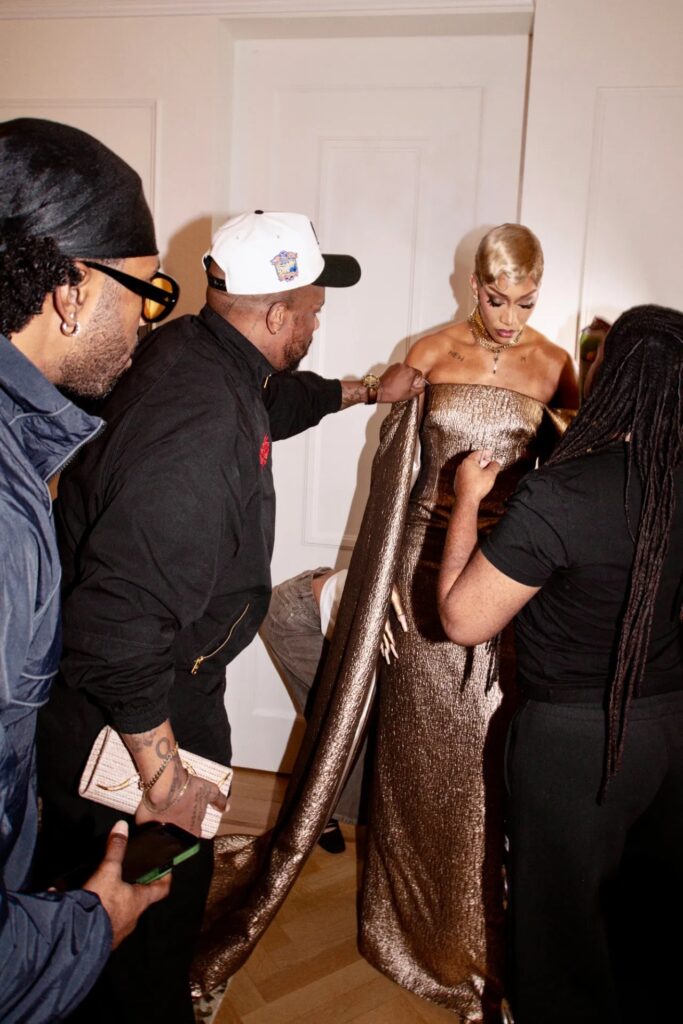
iCON: That was really the only hiccup, and I won’t even call it a problem. When we were getting down to the wire on timing, someone said, “Will we have time to paint the hands? We may not.” I said: no, let’s start now and literally got in there myself, rubbing the paint on. I didn’t want it to become a piece of reality that we’d miss it. So, while she was finishing makeup, it was all hands-on deck just painting and setting those hands, then jewelry, then the dress. We were right on the pocket, and we walked her out the door as everybody else was coming down the hallway. We were not the ones running late. It was great.
ATHLETE VANITY: Where were you when she actually walked up those stairs?
iCON: I screamed. Here’s the thing, just like you guys, I had to wait. I rolled her to the carpet, but security is very strict and they don’t allow glam on the carpet, only the dress handlers. When we pulled up, I showed them what to do, then got back in the car and left. So I didn’t see her with my own eyes on the carpet. By the time she stepped out, I was already back at my hotel, sitting there scrolling, waiting for something to pop up. I had my team sending me everything they saw.
And when I finally saw her, you just be wanting things to resonate. When I saw her, I was like: God, it resonates. It’s glowing. It’s the right tone of gold. I didn’t want that high-yellow gold but the deep, rustic, aged gold. I wanted her to look like an artifact. She was meant to feel the kind of regal that’s been set in stone. And that’s exactly what I felt when she panned across the screen. I gasped. Everybody ran to my phone and started screaming. It was an immaculate moment.
“I wanted her to look like an artifact. The kind of regal that’s been set in stone.”
✶ ✶ ✶
SPORTS, FASHION, AND THE COMING YEARS
ATHLETE VANITY: More Black women athletes are walking into high fashion at a level we haven’t seen before. What did it mean to help A’ja occupy that space at the MET — and how do you see her presence shifting the conversation about who belongs in those rooms?
iCON: What A’ja represents is twofold. She’s obviously the best athlete in the world, and she’s also extremely feminine. People who don’t know her don’t necessarily get that. They haven’t been around her. A’ja has the ability to be expansive across the board; she could have a whole career in fashion if she chose to. She can model, take a picture and she knows how to work her body. She’s one of the softest and most feminine women I’ve been around. And on the flip side, her dominance is incredible.
She’s opening a door. The door of being whatever and whoever you are out loud and not having to be a certain way to accomplish a certain thing. I think she’s the face of that, alongside being the face of the league. And that, to me, is the strongest thing you can be walking into any of these rooms.
ATHLETE VANITY: Fashion and sports have completely re-met in the last five years, especially around the W. What’s driving the shift and what do you think people are still underestimating about it?
iCON: What’s driving it is the same thing that drove the NBA culturally for years. The NBA served a major role in pushing things out into culture. Brands like Nike, Reebok, all of it, partnering with athletes as the vehicle. Now with the WNBA growing, and history and records being broken by these women, it’s inevitable for that to shift. If you’re on the progressive pulse, it’s impossible for brands not to take heed. The A’Ones selling out in minutes? That’s what Jordans do. It’s setting a standard on the women’s side that the brands have to keep up with.
As much as people will forever talk about the W, the steps have still been taken. Pay grades coming up. More deals. More fashionable takes hitting the tunnel. That’s what I’m banking on — more deals, more shifts, more moments because me and A’ja are about to act up on the tunnel this season. Just watch out!
ATHLETE VANITY: Twenty years deep. Years from now, what do you hope people remember about how you helped athletes like A’ja step into these spaces?
iCON: I want them to remember the audacity. The edge. The femininity. The individuality. These tunnel walks, these carpets are all expressions of who they are internally. Not costumes. Not uniforms. Expressions.
ATHLETE VANITY: Last one. A young stylist walks up to you and says, “I want to do what you do.” What do you tell them that nobody told you?
iCON: Start. Wherever you are, with whatever resources you have, start. I can only tell you that by experience. I started in high school, dressing my friends. In college I’d grab a camera, put things on my friends, and we’d shoot on railroad tracks and on top of buildings, putting it on Facebook. You have to exercise the muscle. And honestly, it’s easier now because social media is a hedge. You can figure things out in point-two seconds. It doesn’t have to be as grassroots as it used to. But you have to start. Eventually, your wings will be too big to stay where you are.
And I want to end with this. The fashion industry has a way of cultivating a snooty, above-it-all energy. My main goal has been to lead with kindness. Just because you’re into fashion, or you’re stylish, or you like nice things, doesn’t mean you have to be a certain way. Be kind. We can’t take any of this with us when we leave. So, look your best, put on your best, be authentic, be different and be kind.
What’s for you is for you. Nothing in the world will change that. You don’t have to look down on anyone, or close a door on somebody because you’re scared it’ll get in the way of what’s for you. The moment that becomes your driving force, instead of lack, it’ll change for you. Lead with kindness, and it’ll work out.
“Look your best. Be authentic. Be different. And be kind.”
CREDITS
Talent: Casey “iCON” T. Billingsley
Interview & Editing: Ukpai Victor for Athlete Vanity
Editorial · @athletevanity
X and