By Damilola Oderinde
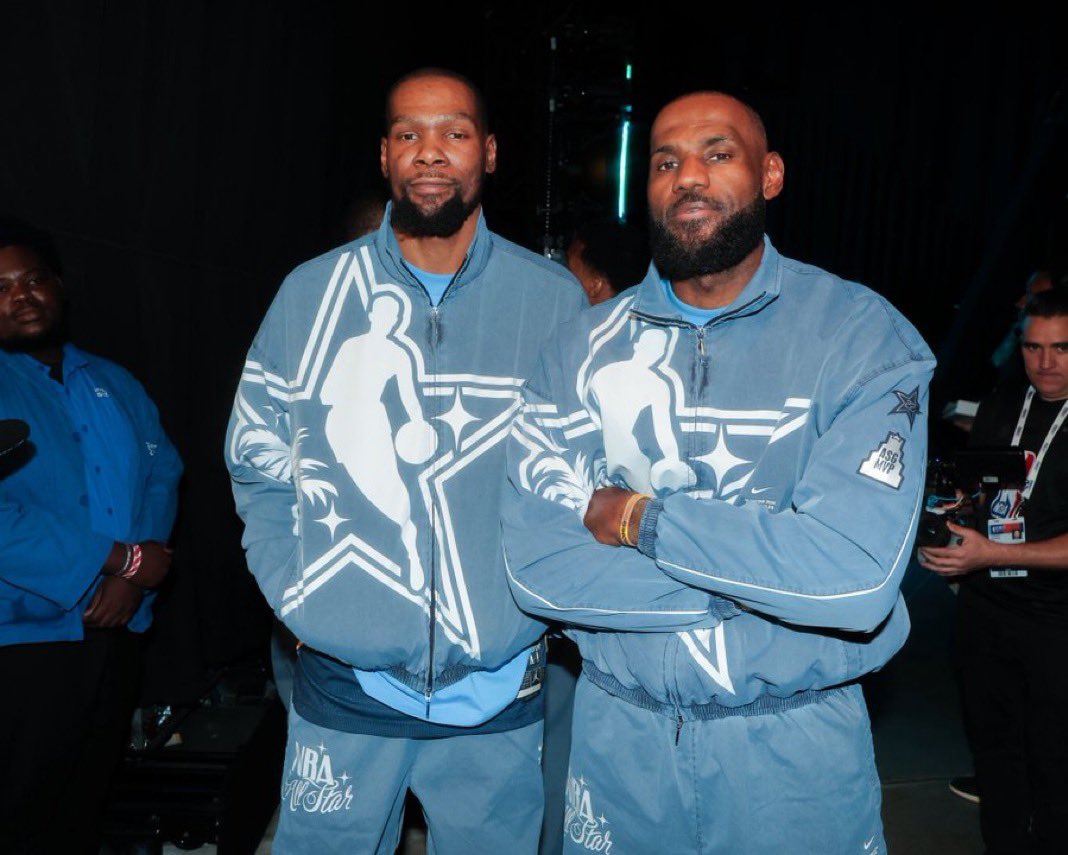
The dust settled on the Intuit Dome last weekend, and honestly? The NBA is still figuring out what an All-Star Weekend should actually be. We’ve watched these events closely for a while now. They’ve gone from being pure basketball showcases to this weird mix of everything, innovation, nostalgia, too much technology, and not enough heart. This year in Inglewood felt like the NBA threw everything at the wall and hoped something would stick.
And you know what? Some things actually did.
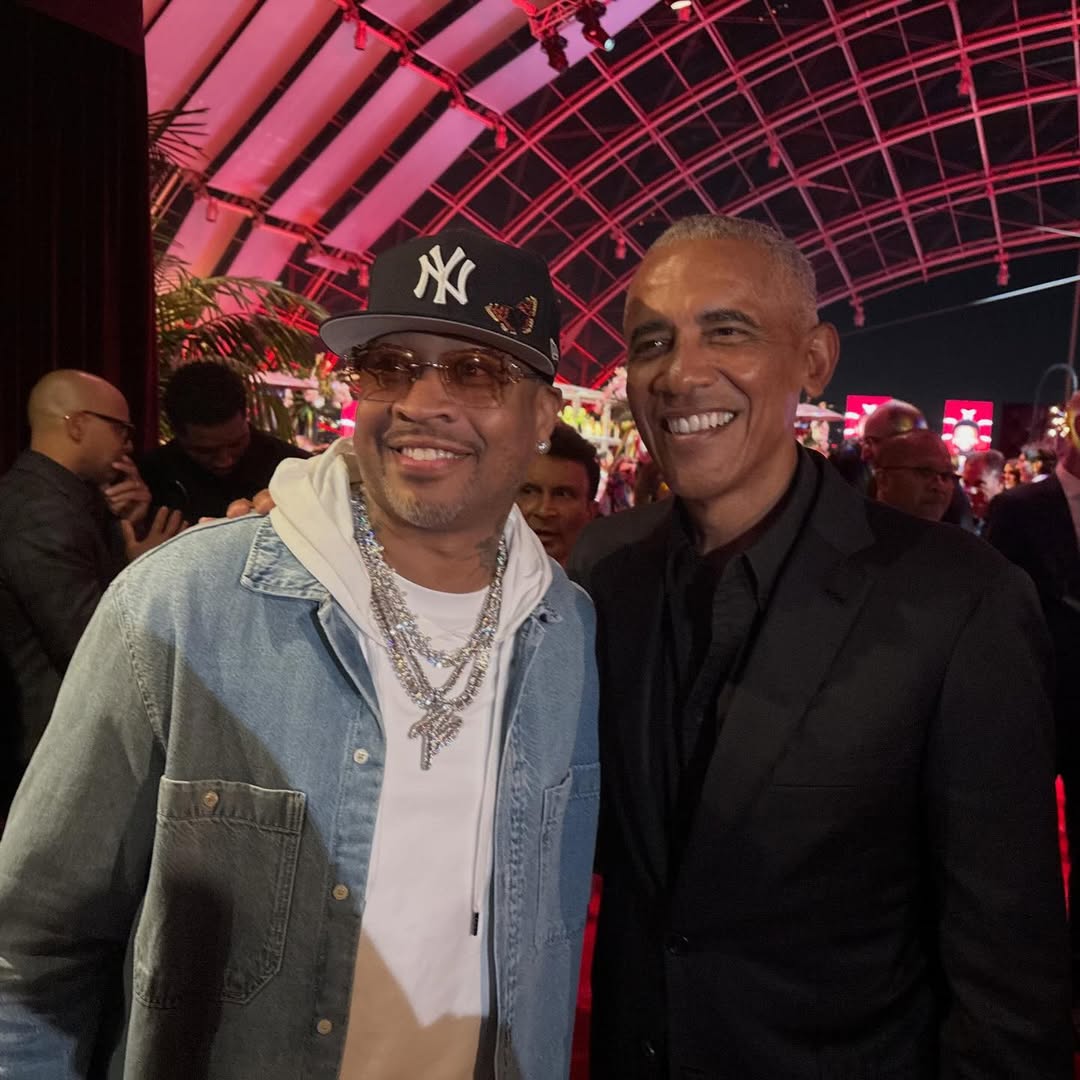
The Good: Finally, People Started Caring Again
All-Star Game Intensity
For years, the All-Star Game was basically a 48-minute lay-up and three-point contest with a scoreboard. No defense or intensity.
This year was different. The NBA switched to a three-team tournament: Team USA Stars, Team USA Stripes, and Team World. All three opening games were decided by one possession. That is
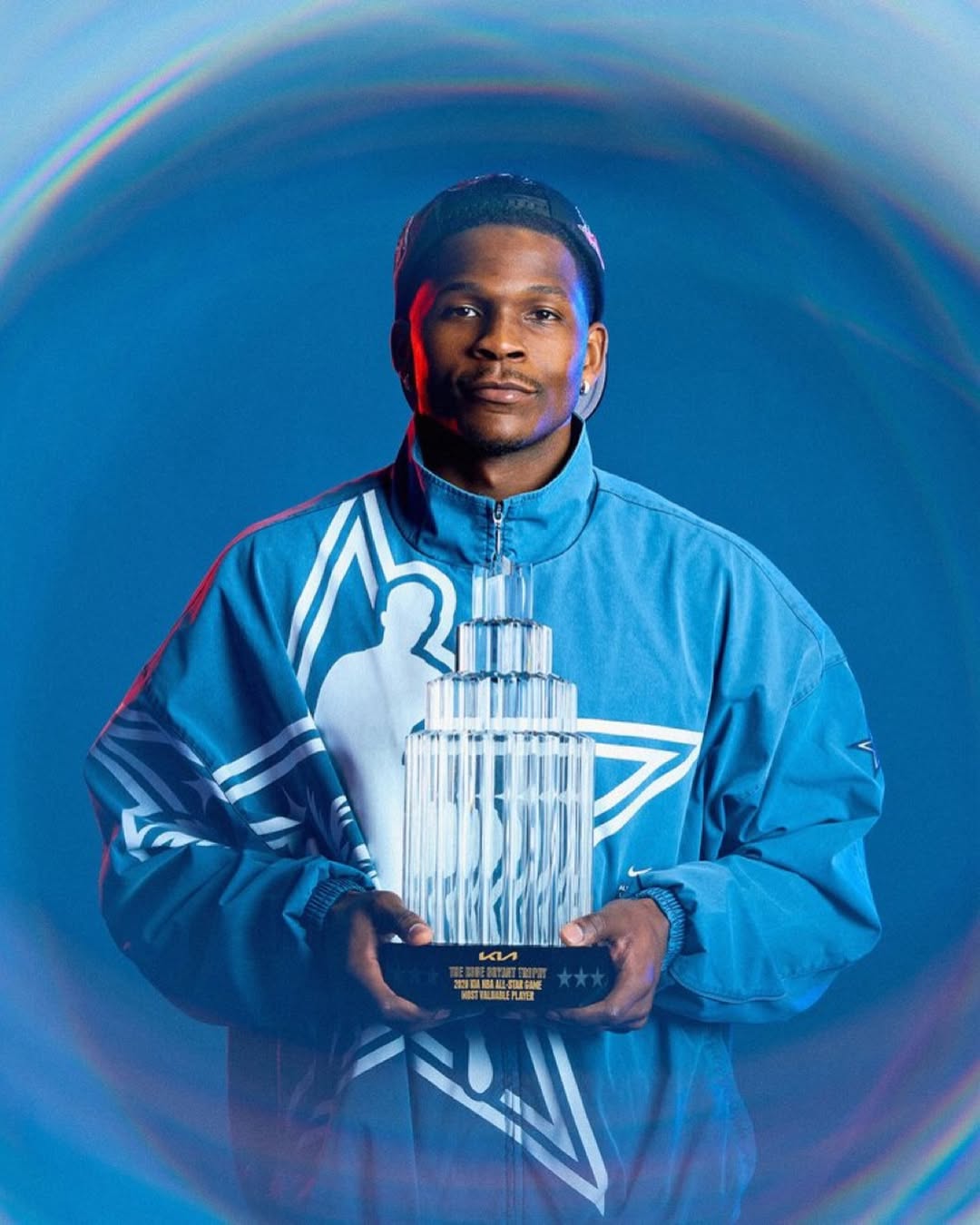
the kind of tension we have not felt in a while. The star of the show? Anthony Edwards. The kid was not just having fun out there, he was hunting. He forced overtime against Team World with a clutch three-pointer, then watched Scottie Barnes seal it with a walk-off three. Even though the final was a blowout (Stars beat a tired
Stripes team 47-21), getting there was electric. Victor Wembanyama was out there, actually competing and defending, which forced the American guys to play real basketball. It was
refreshing.
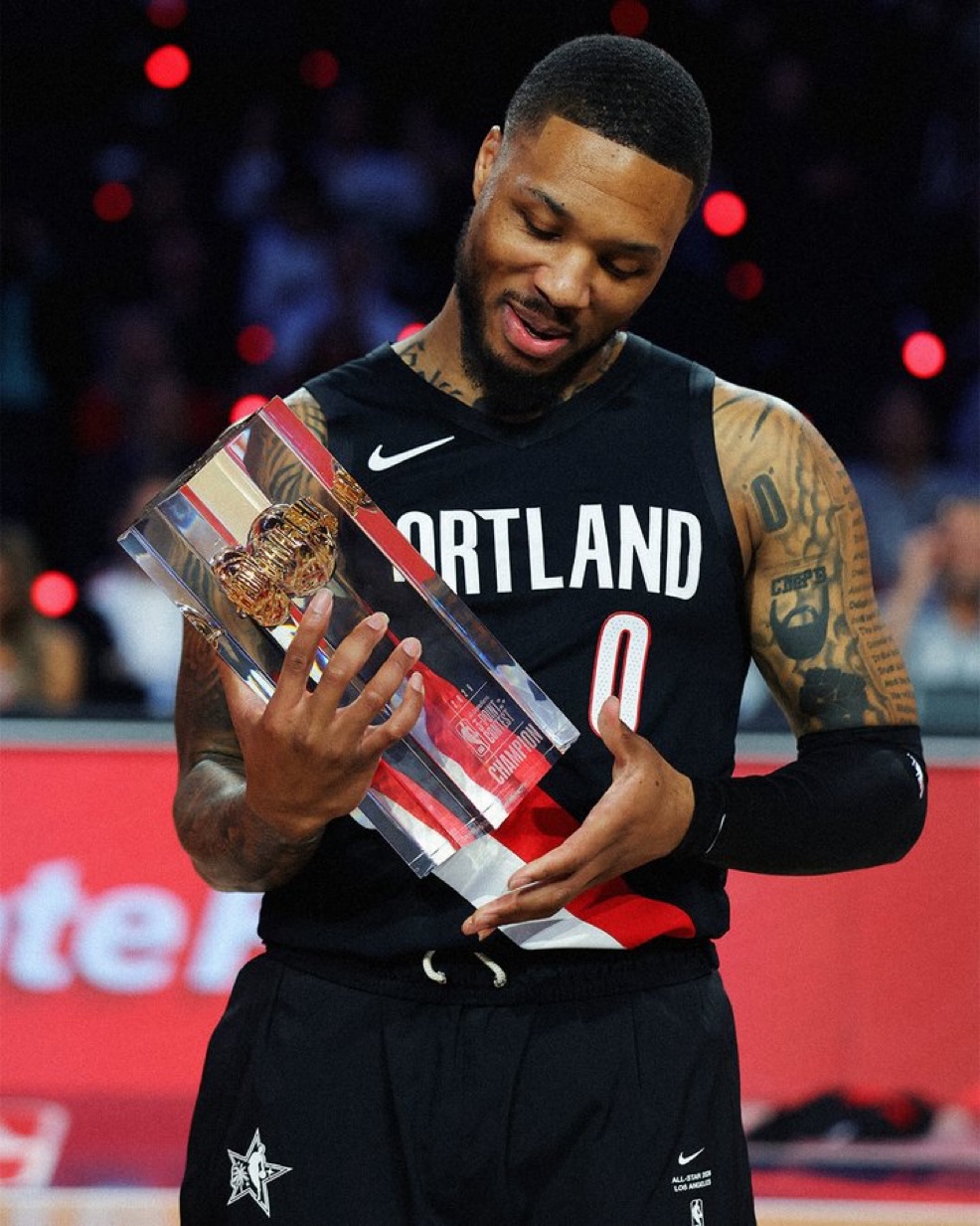
Damian Lillard’s Big Moment
Saturday night’s 3-Point Contest gave everyone the good feeling the weekend needed. Lillard was coming back from an Achilles injury that he had for almost a year. Almost a year. And when he stepped on that court, it looked like he had never left. The final round came down to him and Devin Booker. Lillard dropped 30 points. Booker got 27. The place went nuts. It is his third title, which puts him in serious company with Larry Bird, and Craig Hodges. That is it. That is the club. And it was just a masterclass. The rhythm, the confidence, the ice in his veins. It reminded everyone that yes, the young guys are cool and all, but sometimes you need a veteran to show you what cold-blooded actually looks like.
The Intuit Dome Changed the Vibe
Steve Ballmer’s new building is the future, whether you like it or not. That Wall: the 51 rows of fans basically sitting on top of the players created something real. Saturday night felt like a
playoff game, and not an exhibition. The LED courts were sharp and the fans were close. You could feel the energy through the screen. That is what an arena can do when it is built right.
The Bad: Great Ideas That Fell Apart
The Dunk Contest
The dunk contest is the NBA’s most frustrating event. It can be amazing or it can be painful, and there is barely anything in between. Keshad Johnson of the Heat was great. Really great. He finished with a monster windmill that came from way deep, and he looked like a guy who belonged on that stage. He deserved to win.
But then Carter Bryant of the Spurs, who had the only perfect 50 score of the night earlier, completely fell apart when it mattered. He spent the entire final minute missing. He ended with a
basic 360 that anyone could do. And watching a young star choke on the biggest stage while
Dominique Wilkins and Julius Erving are watching from the crowd? That is rough. That is really rough.
The format needs a lot of change. It seems long, players run out of ideas and out of legs. Nobody wins in that situation. We need to feel what we felt when it was Aaron Gordon v Zach Lavine.
The Rising Stars Game Feels Like a Pickup Game
The Rising Stars event suffers from an identity crisis. You have got talented guys like VJ Edgecombe and Dylan Harper, rookies and sophomores who should be excited to be there. But the lack of defense turns it into a three-point contest. Uncontested and fast-paced, sure, but there is no edge to it. If you want people to care about this event, you have to make it feel important. Right now, it just feels like a scrimmage.
The Celebrity Game Snub That Should Not Have Happened
The Celebrity Game was fun in a chaotic way. Rome Flynn won MVP for the second straight year. But here is the thing; Tacko Fall put up 20 points, 21 rebounds, and 5 blocks. Twenty and
one rebounds!!!!!! He did not get MVP. Instead, they went with the “double-time” scoring and mascot double-teams and all that MTV Rock N’ Jock stuff. It was entertaining, but in a professional league, you cannot ignore a performance like that. The fans noticed and they were not happy.
The Ugly: When Things Just Did Not Work
Logistical Issues
For a $2 billion arena, you would think they could get the schedule right. The Celebrity Challenge started late. That killed the whole Friday night. People in the stands were watching promotional
loops. People at home were wondering what was going on.
Los Angeles literally invented the event industry. This should not happen. When you are trying to fix a weekend that already struggles with pacing, a late start is like showing up to a fight already losing. The momentum just never came back.
The USA vs. World Roster Did Not Make Sense
The concept is solid. Actually, it is great. USA versus the rest of the world? That is pride and something to care about.
But the roster construction was weird. Karl-Anthony Towns is from New Jersey. Norman Powell is from California. They are on Team World because they have international ties. That feels like a
technicality, not a real reason. If you want fans to buy into national pride, the criteria have to be real. It confused people. It
diluted what Luka Doncic and Victor Wembanyama were trying to build. You could feel the fans asking: Wait, who are we even rooting for?
The Missing Piece: Where is the 1-on-1 Tournament?
This is the big one. Fans have been asking for a 1-on-1 tournament for years. The Unrivalled women’s league proved that elite players would compete hard when pride and prize money are on
the line. They showed it works.
The NBA was apparently looking at it. Imagine a one-million-dollar prize and tournament-style bracket. This did not happen. They played it safe. Imagine Kyrie going head-to-head with Ant. Imagine SGA against Shai. These are the matchups that spark debate at bars and on social media. This is what would get people talking.
Instead, fans got more of the same skills drills. The NBA had the chance to swing for the fences and did not.
How to Actually Fix It
The 2026 All-Star Weekend showed us what is possible. But we are still not there yet. Here is what needs to happen:
Bring Back the 1-on-1 Tournament
This is the break-glass-in-case-of-emergency move. Sixteen players and a single elimination. First to 11 with one million dollars on the line. Players like Jaylen Brown and James Harden have
already said they would do it. It becomes the most-watched event of the weekend. It has to.
Get Serious About the Dunk Contest
The dunk contest does not need new tricks. It needs consequences. Make participation prestigious and about proving something. Require current All-Stars and a seven-figure prize. Also, let there
be blind judging to cut out the politics. And for the love of everything: if you miss twice, you are done. No more endless attempts. The ugly misses sometimes kill the whole game.
Clean Up the International Roster
If you are doing USA versus World, make it real. Use FIBA eligibility rules. Make it actually mean something. Fans know the difference between a legit team and a made-up one.
Make Rising Stars Matter
The winning team gets an automatic All-Star reserve consideration next season. The MVP gets first dibs on the reserve spot. Or throw down real money. Young players only compete when advancement is at stake. Make this a ladder they want to climb instead of a showcase game.
What It All Means
The 2026 All-Star Weekend was somewhere in the middle. The new All-Star format worked. Lillard’s comeback was magical. The Intuit Dome also delivered but the dunk contest was a mess.
The logistics were shaky. And the big idea everyone wanted; the 1-on-1 tournament, just did not happen.
The NBA has all the pieces: the talent, the platform, the money, the venue. What it needs is the nerve to actually use them. This weekend could have been special if they had just been willing to take a real swing. Next year, they need to get out of their own way and let the competition speak. Make players care and make fans believe something is on the line. If they do that, the All-Star
Weekend stops being a mid-season break and becomes what it should be: basketball at its most fun and its most fierce. The pieces are already there; it just needs to be used.