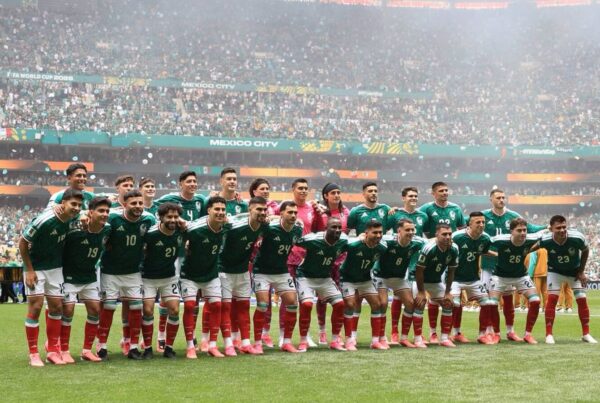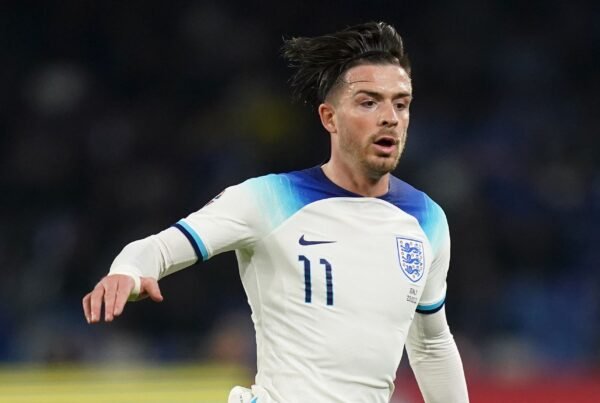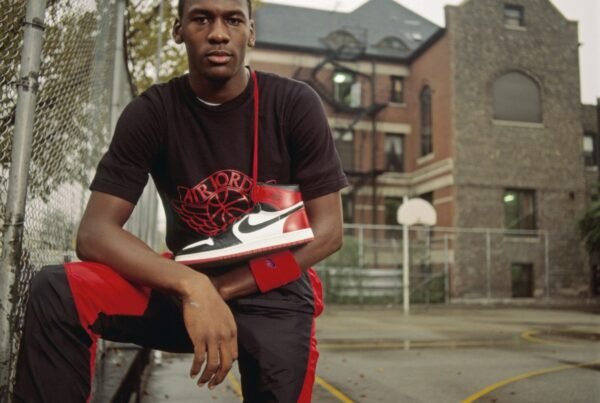
Could be talking Wayne Rooney or Lil Wayne. Either way, both are correct.
A recent post said, “07-10 Wayne was a 99 overall. You had to be there.” A reply stood out because, whether you meant football or music, the statement rang true.
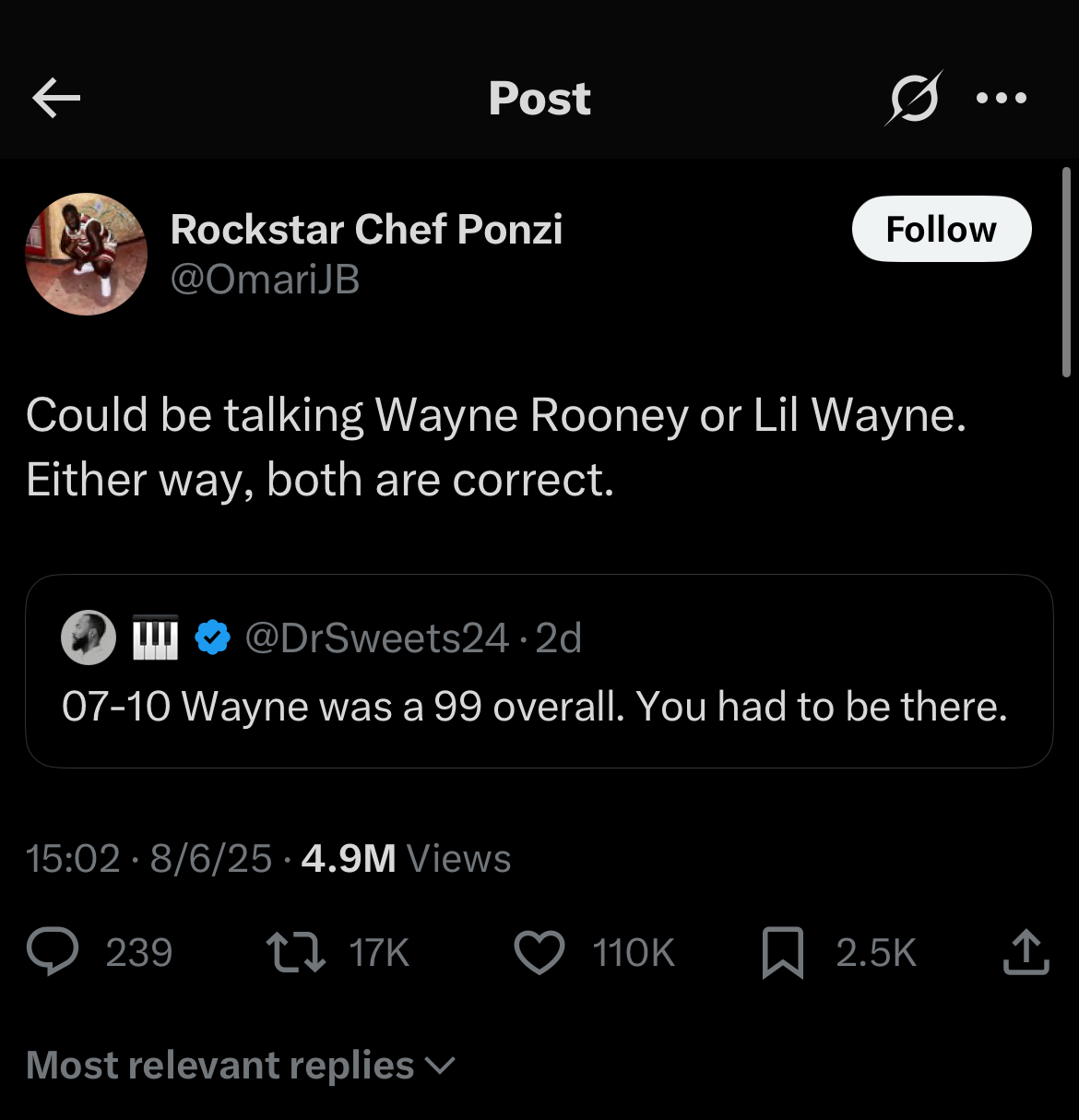
Some names transcend their lanes, and from 2007-2010, “Wayne” was just synonymous with greatness.
Wayne Rooney (2007–2010): Manchester United’s Relentless Flame
By 2007, Rooney had already shed the “wonderkid” tag and was growing into one of the most complete forwards in the game.
In 2007–08, he formed part of a devastating trio with Cristiano Ronaldo and Carlos Tevez, powering United to both the Premier League title and Champions League glory. Ronaldo may have grabbed the headlines, but Rooney was the engine, unselfish, tireless, and ferocious in the press.
The following season brought another league title, a FIFA Club World Cup, and a return to the Champions League final.
Then came 2009–10. With Ronaldo and Tevez gone, Rooney became the talisman. He scored 34 goals in 44 games, won the PFA Players’ Player of the Year and FWA Footballer of the Year awards, and delivered some of his most ruthless performances. Whether dropping deep to link play or bulldozing through defences, he had every tool in the box.
Rooney was more than a striker; he was the embodiment of grit, vision, and versatility.
Lil Wayne (2007–2010): The Mixtape Messiah Turned Rap Royalty
While Rooney was setting Old Trafford alight, Dwayne Michael Carter Jr. (Lil Wayne) was rewriting hip-hop’s rules.
In 2007, his Da Drought 3 mixtape cemented him as a lyrical powerhouse, eating up other rappers’ beats with outrageous wordplay.
2008 saw Tha Carter III explode into a cultural moment, a Grammy-winning, multi-platinum statement with hits like “Lollipop” and “A Milli”, the latter becoming a defining rap anthem of the era.
Even legal troubles in 2009–10 couldn’t slow him down. No Ceilings was another mixtape masterclass, while Rebirth saw him experiment with rock. Alongside his own output, he was nurturing the next generation through Young Money, launching Drake and Nicki Minaj into superstardom.
Lil Wayne’s relentlessness was staggering. He wasn’t just in the conversation; he was the conversation.
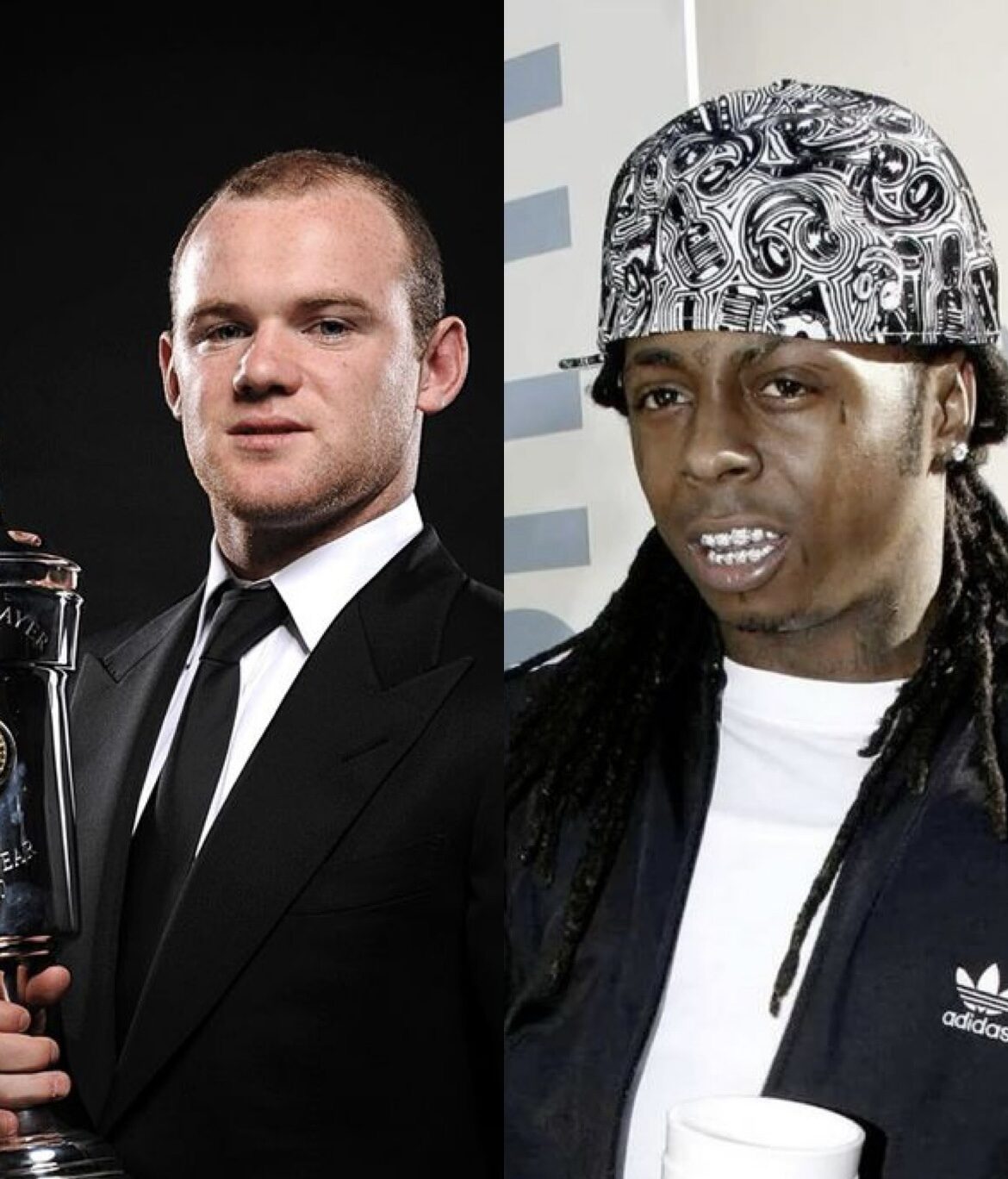
Two Waynes, One Era of Dominance
Between 2007 and 2010, Wayne Rooney was the face of football’s fire and fight, while Lil Wayne was the voice of hip-hop’s creative peak. One terrorised defences, the other devoured beats.
So, whether you were watching a volley ripple the net at Old Trafford or hearing a verse tear through speakers worldwide, either way, both were correct.